Cake Baking vs Pastry Making: Understanding the Skills Behind Each
A beautifully baked cake can make a birthday unforgettable, and a perfectly flaky croissant can turn an ordinary morning into something special. Both look delicious, and both take time, and both can make people forget about their diets for a little while. But these luscious confections belong to two different worlds of baking, with their own techniques, ingredients and challenges.
If you love spending time in the kitchen and want to get better at baking, learning cake baking vs. pastry making is a great place to start. So what’s different about them?
Cake Making: The Science of a Perfect Sponge
The object of baking cakes is to make soft, moist and well-risen products of the correct texture. Classic vanilla sponge and chocolate truffle cakes, cheesecakes and celebration cakes: accuracy is key for every recipe. Essential cake baking skills:
- Mixing techniques: Know creaming, folding and whisking for the optimum consistency.
- Ingredient measurement: The amount of flour, sugar, eggs and butter to put in.
- Temperature: The oven should be set at a proper temperature for consistent baking.
- Texture control: Avoiding cakes being too dense, too dry or not cooked enough.
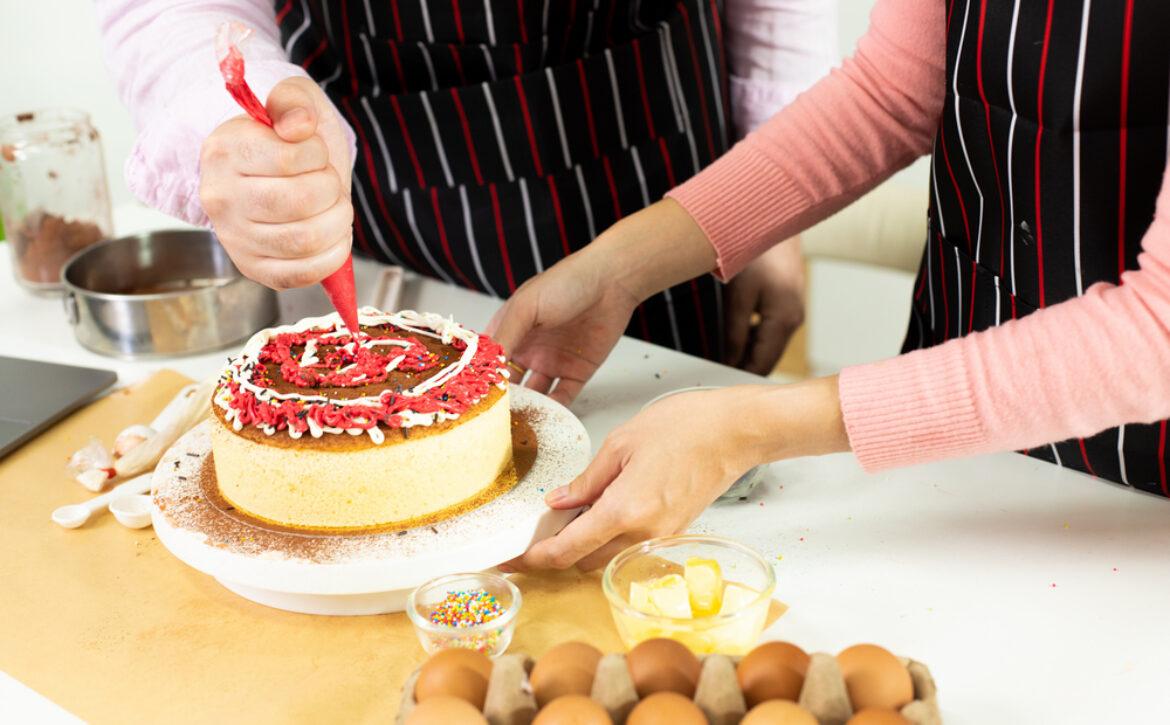
- Decoration: Practicing techniques of piping, frosting, layering and finishing.
Cake baking is also about understanding how ingredients interact. For example, over-mixing some cake batters can create too much gluten and a tougher texture. Who wants a birthday cake that calls for serious jaw action!
Pastry Making: The Art of Precision and Creativity
Making pastry is another thing. It’s about making delicate textures, crisp layers and carefully constructed desserts.
Imagine flaky puff pastries, buttery croissants, fruit tarts, éclairs and mille-feuille. Everyone has their own way to prepare.
Here are some key pastry-making skills:
- Preparing the dough: Understanding shortcrust, choux and laminated doughs.
- Temperature control: Maintaining the proper temperatures of butter and dough, particularly for laminated pastries.
- Lamination: Layering thin alternate layers of dough and butter for flaky results.
- Filling preparation: Custards, pastry creams, ganache and fruit fillings.
- Finishing techniques: Glazing, shaping and presentation of desserts.
Pastry making is a patient and precise business. A small change in temperature or folding can alter the final product.
Baking Cake vs. Pastry: What Should You Learn?
It depends on what you like. If you enjoy decorating cakes, experimenting with flavours and making celebration desserts, cake baking is a good place to start.
Pastry baking can be fun for you if you like intricate pastries, working with dough and exquisite textures.
It may be very helpful for newcomers to get a rudimentary understanding of both. You may gain confidence via hands-on instruction, discover how ingredients react, and practice important methods in a structured baking course in Mumbai.
Can You Learn Them Both?
Of course! Pastry and cake baking are two sides of the same coin. A strong base for professional baking is knowing about the measurements, temperature control, ingredient selection and presentation.
Whatever your goals are, from creating beautiful celebration cakes to learning how to make French pastries, the right training can help you along the way.
Culinary Craft offers you hands-on learning and professional guidance to expand your baking knowledge. Check out our courses and start your path to becoming a baking expert.