Enquire Now

Culinary Craft

Sajida Khan

Top Specialized Cheesecake Workshops in Mumbai

Why Culinary Craft Is a Top Choice for Cheesecake Making Classes in Mumbai

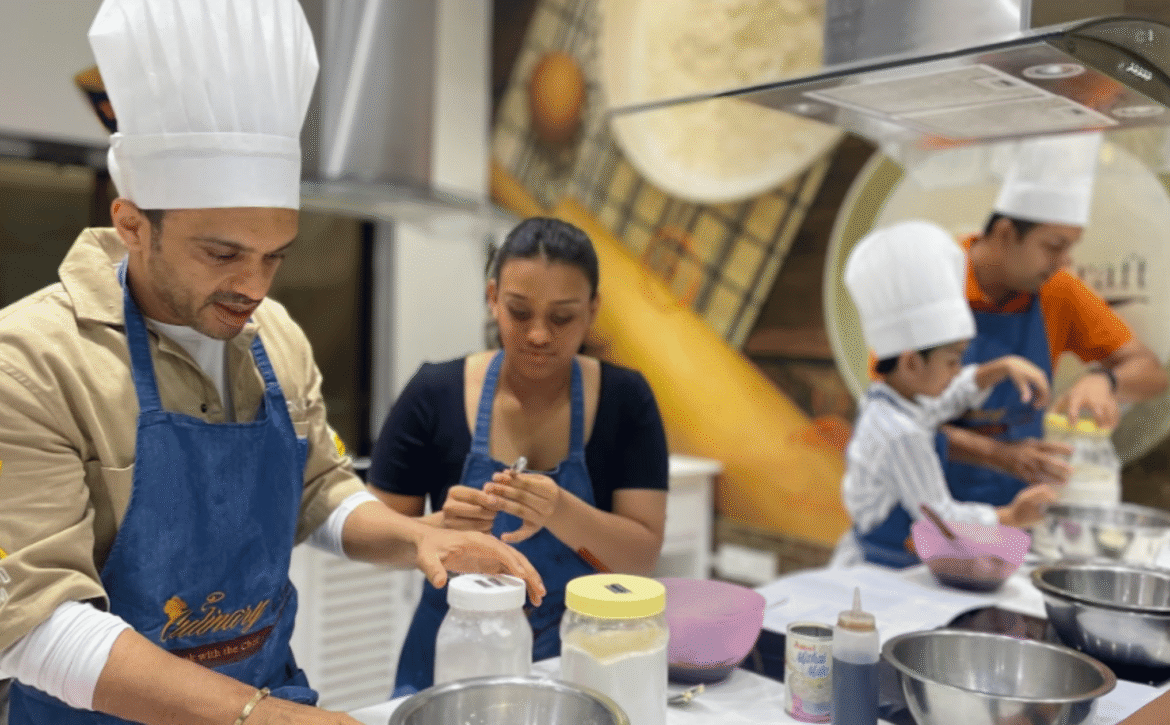
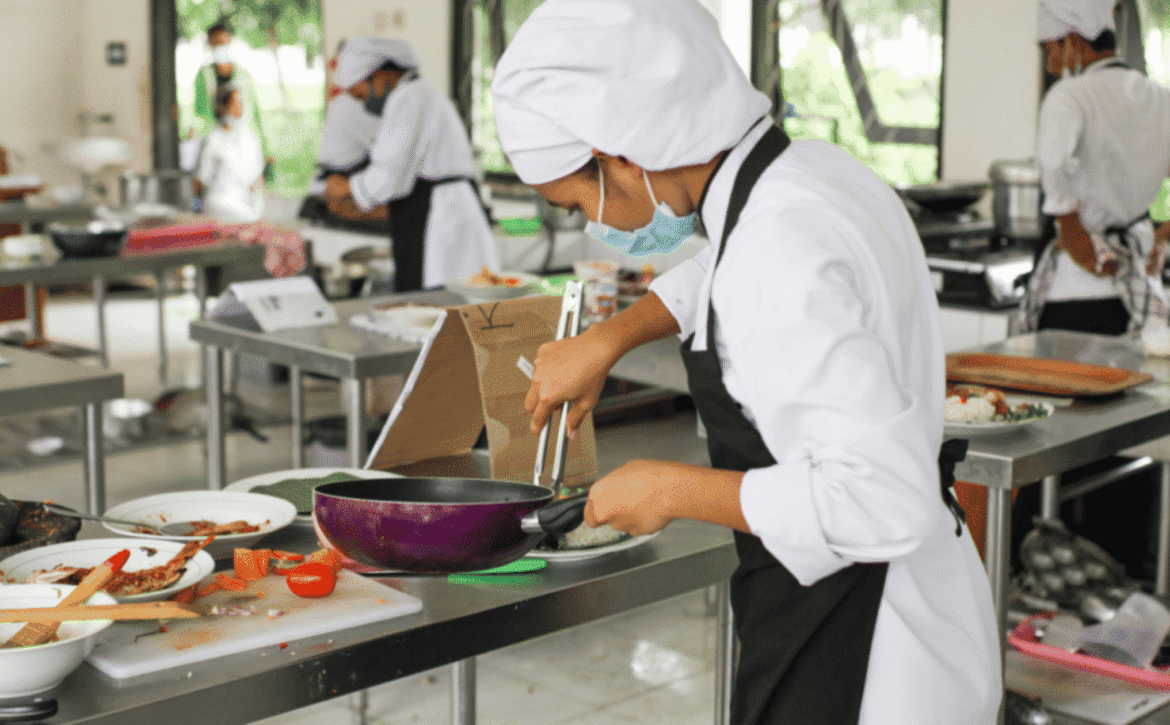
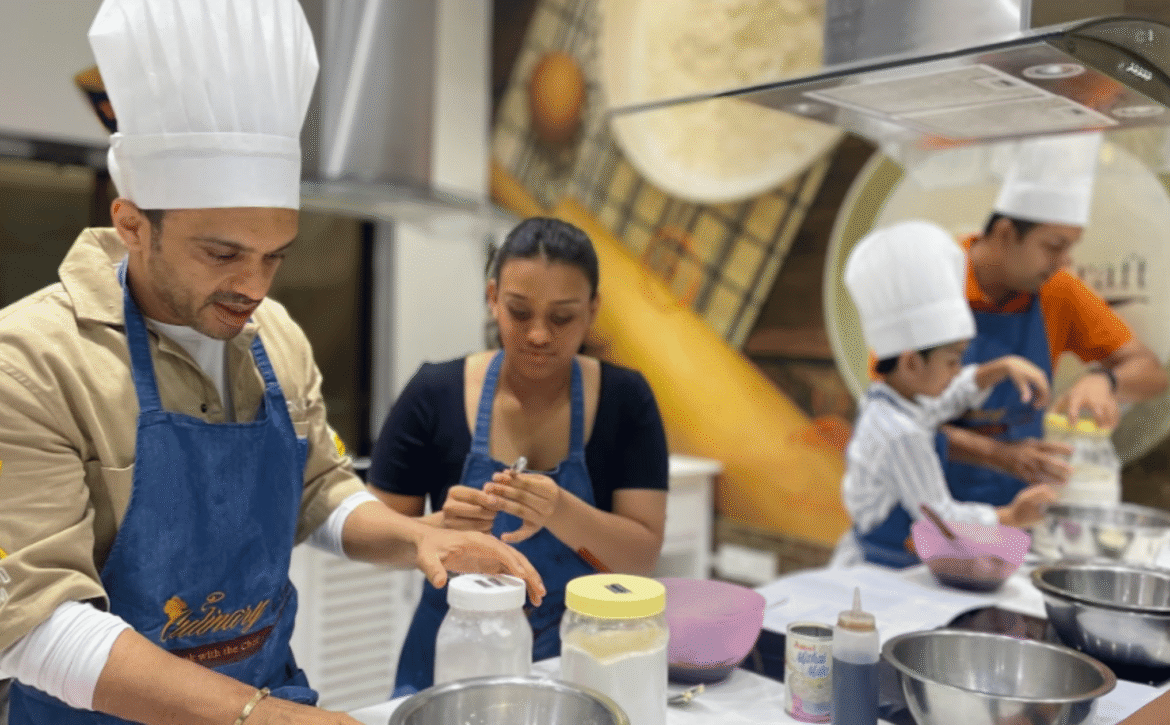
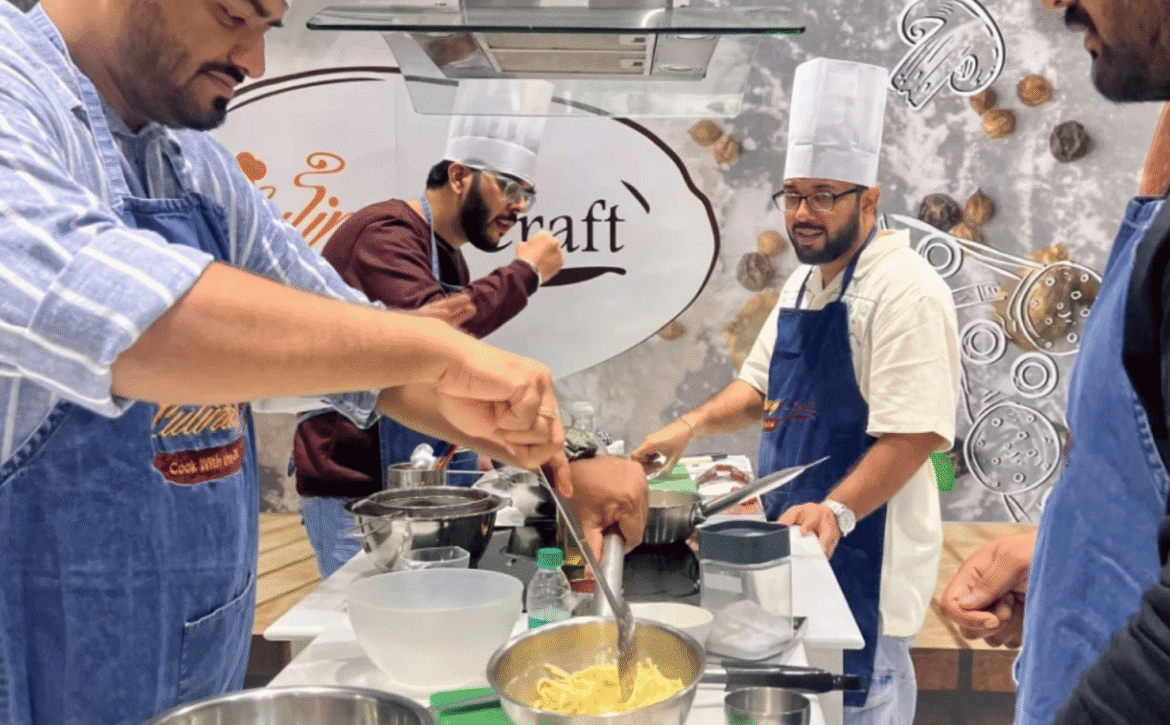
Cheesecake has now quietly made its way onto dessert menus all over Mumbai. It was a niche dessert that is now expected in cafes and at house parties. As people became more interested, online videos became a source of instruction to many home bakers. They followed the instructions, but the end product was not always the right texture or finish. Because of this frustration, home bakers started turning to structured classes on cheesecake making in Mumbai. They wanted good baking lessons in Mumbai where ingredients, tools and techniques were demonstrated clearly. They did not want to rely on trial and error! They wanted clarity. This need drew people to studios like Culinary Craft. Culinary Craft in Powai has built its brand by doing classes in a real-world environment where amateurs and hobby bakers are taught how to make cheesecakes step by step in a real kitchen environment. What Makes a Cheesecake Class Worth Your Time? Not every class delivers meaningful learning. Some sessions focus more on demonstration than participation. Learners often realise this only after attending. That is why understanding what defines a good cheesecake class becomes important before enrolling. A structured class should include the following: Direct hands-on work instead of passive observation. Access to a professional baking studio in Mumbai with working equipment. Use of quality ingredients that show how texture is built. Guided instruction during a cheesecake workshop in Mumbai. Limited group size for closer supervision. When these elements are present, learners move beyond theory. Studios such as Culinary Craft focus on skill development through participation. That approach ensures the outcome is confidence rather than confusion. Hands-On Learning That Goes Beyond Watching Videos Cheesecake preparation looks simple from a distance. In reality, it depends on control. The batter must be smooth without excess air. Temperature must remain steady. Cooling must be gradual to avoid cracks. Online tutorials explain these points, yet practical execution often feels uncertain. Many learners hesitate when adjusting oven timing or checking doneness. That hesitation affects the final product. Structured hands-on baking classes address this issue directly. At Culinary Craft, students make the batter and oversee baking under the guidance of the instructor. In the classes of cheesecake making in Mumbai, the participants are left to work individually but are corrected on the spot. This method reduces doubt. It replaces observation with direct experience. Professional Studio Setup That Enhances Learning The environment shapes how skills are developed. A basic home kitchen does not always reflect professional standards. That is why a dedicated baking studio in Powai adds value. Culinary Craft Mumbai operates from Powai Plaza in Hiranandani. The kitchen layout is organised and built for training. Modern ovens, measured workstations, and professional kitchen tools form part of the setup. When learners use proper equipment, they understand how small adjustments affect results. Oven calibration, mixing tools, and baking pans influence texture and structure. Training inside such an environment prepares learners for serious baking situations. Flexible Course Options for Every Learner Not every student joins with the same intention. Some want a focused session to refine one dessert. Others aim to build long-term competence. A few seek formal credentials for career growth. To support these needs, Culinary Craft courses offer varied formats: A one-day baking workshop in Mumbai centred on specific themes such as cheesecakes. Multi-day practical sessions for broader dessert skills. Certified courses in Mumbai for learners pursuing professional paths. This range allows individuals to choose according to time and ambition. Instead of a rigid structure, the studio provides scalable options that match different goals. Expert Instruction and Small Group Focus Cheesecake requires technique. Water bath baking must be managed carefully. Crumb texture depends on measurement accuracy. Topping applications requires balance. Experienced baking instructors in Mumbai help refine these details. Smaller group sizes allow closer supervision. In a structured cheesecake workshop in Mumbai, instructors can observe each learner’s method and intervene when necessary. At Culinary Craft Powai, sessions prioritise interaction. Mistakes are corrected during preparation rather than after completion. This structure ensures improvement happens through guided practice. Post-Class Support and Practical Guidance Learning often continues at home. When learners attempt the recipe independently, new questions arise. Ingredient substitutions and setting time create uncertainty. Serious baking classes in Mumbai recognise this pattern. Culinary Craft support includes practical clarification through structured resources. During cheesecake-making classes in Mumbai, students are guided not only on the process but also on troubleshooting. This extended clarity strengthens long-term confidence. It also separates structured programs from casual demonstrations. Real Student Feedback That Builds Trust Reputation reflects consistent delivery. Before enrolling, many learners review feedback carefully. Culinary Craft Mumbai reviews mention interactive sessions and organised teaching methods. The students have been known to refer to the baking studio Mumbai atmosphere as dedicated but friendly. Response of participants of the cheesecake workshop in Mumbai points at clarity in training and exposure to practice. Such consistent responses build reassurance for new learners evaluating their options. Experiences That Add Fun to Learning Skill development does not eliminate enjoyment. A structured cooking experience in Mumbai can combine technical training with social engagement. An interactive baking workshop at Culinary Craft Powai often includes themed sessions and group participation. Events such as birthday gatherings or team sessions incorporate baking activities. These formats maintain learning depth while creating a memorable atmosphere. Convenient Location and Easy Accessibility Location influences decision-making. Culinary Craft Powai operates from Powai Plaza in Hiranandani. The studio is accessible from different parts of the city. Individuals who are seeking classes on cheesecake-making in Mumbai or classes on baking in Powai can easily look at the schedules and the prices. Contact through phone or email simplifies enrollment. Convenience supports commitment. Conclusion A strong cheesecake program depends on direct practice, proper equipment, and guided supervision. Flexible formats and smaller groups further improve learning quality. In considering classes to make cheesecakes in Mumbai, students will need to focus more on the active performance rather than the passive observation. A credible professional baking studio provides clarity, correction, and continued guidance.

Why Culinary Craft Is a Top Choice for Cheesecake Making Classes in Mumbai Read More »

Reasons to Invest in a Career in Baking & Pastry Arts

Is Pastry Chef a Good Career? Key Benefits You Should Know

If you are planning to step into the food industry, one question will definitely trouble you in the beginning. Which culinary career path should you actually choose? The choices available nowadays are so numerous that it does not seem easy to make a choice. Other students would like to become head chefs in the busy restaurant kitchens. Others feel more connected to desserts, chocolates, and artistic presentation. That is when the question naturally appears in your mind, is pastry chef a good career for long-term growth? Many people still believe it is only about baking sweets, but pastry chef career benefits include creativity along with technical mastery. At Culinary Craft in Powai, students experience real kitchen exposure before deciding seriously. Taking time to understand the role properly always makes the final decision much easier. What a Pastry Chef Really Does Most people assume that a pastry chef spends the day simply baking cakes and cookies. As soon as you look at a real kitchen in action, you will see that the pastry chef position is much more stratified. A pastry chef prepares desserts, breads, plated desserts and specialty items which involve patience and a steady hand. Every recipe has to be followed carefully because balance in flavour and texture matters a lot. The pastry chef responsibilities also include planning combinations that taste good and look refined on the plate. It is a job that blends accuracy with creativity in equal measure. On an ordinary day, a pastry chef is usually involved in work such as: Decision making on the dessert menus that are in line with the restaurant’s style and customers. Preparation of various types of breads and pastries and consistency in each production. Filling creams and designs in a neat and professional way so that presentation is not blurred. Sugarcraft and chocolate embellishing to perfect finishing. At Culinary Craft, students step into a structured culinary studio experience from the very beginning. They practise these same tasks in a real kitchen environment so that learning feels practical and clear. High Demand Across Diverse Culinary Spaces Consider the last occasion when you had dinner out. Before the meal was even over, you were likely to have talked about the dessert. That in itself tells you that something has changed. Desserts are not a sweet finish anymore. They are the talk of the town in most locations. When customers begin to care this much, businesses respond quickly. That is one reason pastry chef demand has increased in a very real way. Hotels, cafes, and restaurants are not able to overlook the expectations of guests. With the growing expectations, the number of culinary opportunities is starting to open up to trained professionals. When you stop and think about baking career opportunities nowadays, you will find that there is much more of a variety of choices than before. A pastry chef can build a career in places such as: Boutique cafés that prepare fresh desserts daily and depend on repeat customers Fine dining restaurants where the final course must feel thoughtful and complete. Established hotel kitchens that run full pastry sections alongside main operations. Luxury resorts where guests expect premium sweets at every service. Independent patisseries that create their own identity through signature offerings. Event catering companies that manage desserts for weddings and large celebrations. At Culinary Craft, students regularly meet small business bakers and working professionals during workshops. These sessions are not just demonstrations. They give students a direct look at how strong and steady the market demand actually is. Benefit 1: Artistic Creativity Meets Precision Some people enjoy structure. Some people enjoy creativity. A creative pastry career quietly demands both at the same time. You may begin with an idea in your head, perhaps a plated dessert that looks simple. But once you start working, you realise how exact everything needs to be. Balance of flavours is time-consuming. The slightest addition of sugar or the slightest change of the texture may change the entire experience. It is not just about how to make a dessert pretty. It is everything to make sure that it is as good as it appears. That is where artistic culinary expression becomes serious work. At Culinary Craft, students are not told to memorise and move on. They try, adjust, taste again, and learn through practice. That process builds confidence in a very real way. Benefit 2: Continuous Skills Growth and Learning There is no end point in this profession where you feel that you are fully done. The development of culinary skills is slow and silent. A pastry chef can master a simple sponge today and come back to it the following month. Baking is a skill that gets better with practice, and minor adjustments can be seen. There are days of learning sugar work. Other holidays are concerned with learning about local delicacies or following international fashions. Learning is not an activity that happens in isolation. In Culinary Craft, the students switch between basic skills and advanced skills based on their comfort level.  They are given the freedom to repeat, correct and improve without being pressured. That gradual learning makes the work interesting and confidence continues to increase. Benefit 3: Professional Advancement and Recognition When individuals inquire about long-term stability, they tend to seek to know what is in store. A pastry kitchen is not a place where you stay in one position. The career development of a pastry chef is typically based on a practical and obvious ladder. You can start by helping with the preparation and basic baking. With time, responsibility increases. Your confidence grows, and so does your position. The chef career path in this field allows steady movement if skills improve consistently. Recognition does not happen overnight, but it does happen. Culinary certification value also becomes important at this stage because structured training adds credibility. Programmes similar to the professional approach seen at Culinary Craft help strengthen that foundation. Benefit 4: Rewarding Work Environment Not every career gives you the chance

Is Pastry Chef a Good Career? Key Benefits You Should Know Read More »

Start Your Food Business From Home

How a Certificate in Cooking Can Help You Start Your Own Food Business

A lot of individuals love to cook and they are always told that they should open a food business. The concept is easy to hear, but the initial step is often confusing. Pricing, planning, and customer handling cannot be explained by passion alone. This is where a cooking certificate begins to count. Structured training transforms interest into focus. It brings in systems needed in food entrepreneurship. With the help of organised professional learning, people start to perceive cooking as a service and not a hobby. Practical studio settings such as Culinary Craft in areas such as Powai, Mumbai, show how learning can bridge enthusiasm and business preparedness. The change is slow yet significant. Passion remains the base. Structure creates purpose. Why Casual Cooking Is Not Enough for Business Cooking for family allows flexibility and personal taste adjustments. Serving paying customers requires predictable outcomes every time. That difference defines professional responsibility. A business cannot depend on memory or guesswork. It depends on process control and operational clarity. Mastering kitchen workflow becomes necessary to avoid delays and confusion. Strong food business skills reduce waste and improve efficiency. Common gaps between casual cooking and professional execution include: Being aware of the kitchen workflow and how to spend the time on preparation. Assuring quality in a batch sequence. Following hygiene and sanitation. Safe use of professional equipment. Proper measurement of ingredients and portion and cost control. Studios like Culinary Craft expose learners to modern tools and organised stations. Practice replaces theory. Repetition builds confidence before real customers arrive. What a Certificate Programme Actually Teaches A serious programme focuses on application, not only inspiration. It builds culinary fundamentals step by step. This foundation supports advanced responsibility later. Through advanced culinary training, learners refine essential cooking techniques used across cuisines. They understand how heat, timing, and preparation influence final results. Technical awareness reduces mistakes. Structured learning usually covers: Core cooking techniques across Indian and international dishes. Baking and patisserie basics for dependable dessert production. Flavour balance and ingredient selection for quality consistency. Plating methods that influence customer perception. Recipe standardisation and costing for accurate pricing. Programmes such as the Diploma in Advanced Culinary & Patisserie Arts at Culinary Craft provide extended practice in these areas. Skills improve through repetition and guided correction. This preparation supports business-level execution. Learning in a Real Studio: A Big Advantage Home kitchens operate at a small scale. Commercial environments function differently. A structured studio experience exposes learners to this difference early. Through guided hands-on classes inside a real kitchen setup, students practise coordination and task distribution. They work with larger quantities and professional appliances. Environmental awareness becomes part of routine. Consistency improves because systems are followed carefully. When business begins, customers expect reliability. Studio-based training prepares individuals for that expectation. Workshops: Try Before You Commit Not everyone begins with a long-term course. Short one-day workshops provide entry without heavy commitment. They allow learners to test interest in focused areas. Cooking classes with a particular theme are offered in institutes like Culinary Craft, which teach particular techniques. Themes can be fondant cake making, sugar-free desserts, bread basics, and ice cream methods. Consider a practical example. Someone attends a sugar-free dessert workshop and prepares samples at home. Friends respond positively and suggest paid orders. The individual then begins small-scale selling. Through gradual testing your skills, confidence develops without major risk. Workshops function as controlled starting points. Certification Builds Credibility With Customers Customers assess trust before placing orders. A recognised culinary certification signals structured training. It reduces hesitation for first-time buyers. Institutes such as Culinary Craft offer certified programmes that demonstrate competence. This contributes to customer trust and supports professional recognition. Certification separates trained individuals from casual hobbyists. In some cases, formal recognition also assists when dealing with vendors or corporate clients. Documentation strengthens communication. Networking and Learning Community Support Business growth rarely happens in isolation. Learning within a structured community provides shared exposure. Culinary Craft creates classrooms where collaboration becomes routine. Through group practice and instructor feedback, learners form professional connections. This evolving culinary network may later support referrals or partnerships. Shared experience reduces early-stage uncertainty. Cost vs Investment: A Practical Look Without Certification With Certification Unplanned skill growth Systematic skill development Limited kitchen confidence Structured studio exposure Inconsistent pricing methods Standardised costing practice Reduced customer trust Documented professional credibility A culinary course investment requires financial commitment. Yet the training ROI appears through fewer operational mistakes and clearer pricing strategies. When viewed through cost vs business value, certification strengthens long-term stability. Food Business Ideas You Can Launch After Training After structured learning, several food business ideas become practical: A home-based bakery startup focused on breads or custom cakes. Event catering for private and corporate functions. A niche cloud kitchen with a focused menu. Meal preparation services for diet-specific clients. Independent cooking workshops for beginners. These paths align with skills such as baking, patisserie, and menu planning developed during training. Conclusion A culinary certification represents preparation rather than decoration. It reflects structured capability and professional readiness. Studio practice, guided feedback, and community interaction together form a stable business foundation. When skills are systematic, business decisions become clearer. With proper training and consistent effort, aspiring entrepreneurs can convert cooking ability into reliable income. The transition begins with learning done with intention. FAQs I cook well at home. Why then should I still think of a certificate in cooking? Home cooking is skillful. A food business needs organization. A cooking certificate will provide knowledge on portion control, costing, hygiene, and discipline in the workflow. These are not areas that are taken seriously in home kitchens. Training transforms innate ability into a consistent performance that customers can count on. Will certification actually matter to customers? Before customers make orders, they normally seek assurance. An established culinary qualification is an indication that you have been trained to professional standards. It demonstrates quality and safety. This image creates confidence, particularly when customers contrast you with amateur sellers who are not professionally trained. Is it possible to begin small

How a Certificate in Cooking Can Help You Start Your Own Food Business Read More »

Date Night Cooking Experiences in Mumbai

Date Night Cooking Experiences: A New Way to Bond

Some couples go out for a meal and sit across a table. Others come into a kitchen, roll up their sleeves and cook the food themselves. Working alongside each other, they learn about the heat, taste the masala, correct mistakes and complete the plate together. That rhythm is very different from restaurant eating. That is the rhythm that Culinary Craft centers its date night experience around. This is not a class where someone is going to teach you 10 knife techniques. It is no wine and dine with candles and soft music. It is real work, done together. It looks like an evening but you come away with something to remember next day. The food may or may not turn out perfect, but the way you made it sticks. How are the sessions structured without feeling mechanical? The experience is based on Culinary Craft’s popular one-day workshop format, but with a softer approach. The recipes are not difficult, but they require attention. The cook is present but never intrusive. A station is given to the couples. They are provided with their supplies, their equipment, and a printed manual. They are also advised to enquire, change the order and customize the dish. Most of the couples cook three to four meals. Some savoury. Some sweet. It is focused on the aspect of doing things together. You cut. I stir. Your plate. I garnish. It is like it was a team effort, and no one is pressured to work fast or to do. Couples will sit at the end of the session and eat what they have cooked. That moment matters. You do not simply walk away with a box. And you take a dinner you had made together, and all its little faults. What makes it different from typical date ideas? Dinner dates are predictable. Movie nights are silent. Cooking breaks that pattern. It lets people talk without needing small talk. It creates a sense of shared responsibility. When the roti does not puff, both laugh. When the curry tastes right, both take credit. There is no dressing up. No phones at the table. No distractions. Just sleeves rolled up and the smell of garlic in the air. That setting is far more intimate than a restaurant. There is no waiter watching. No strangers listening in. The experience stays private, even if shared with a few other couples. This is something Culinary Craft has leaned into through its experiential series. Whether it is family bonding, team workshops, or children’s events, the format always stays real: no showmanship, no staging. Just people doing something honest together. Who usually signs up for these sessions? Some couples are newly married and want to try something new. Others are celebrating anniversaries quietly. A few are still getting to know each other. The kitchen does not ask questions. It adjusts. If both are comfortable in the kitchen, the chef gives them more room to play. If one is unsure, the chef guides gently without calling attention. The goal is not to teach you how to cook. The goal is to let you enjoy the act of cooking without stress. Culinary Craft’s team has worked with enough learners across its baking diploma, government-certified modules, and restaurant training sessions to know when to step in and when to stay back. That balance keeps the date night format easy to enjoy, even for people who are not usually comfortable in kitchens. What dishes do couples usually cook together? There is no set menu because it is not about impressing. It is involved. There are easy Indian treats like aloo sabzi, dal tadka, jeera rice or rotis, among others. Some just bake: maybe a brownie, a mug cake or a fruit tart. The choices depend on what the couple enjoys eating and how much effort they want to put in. Some like to experiment. Others want to keep it safe. Either way, the studio preps for both. The ingredients are fresh. The equipment is clean. The setup is simple. You do not need to bring anything except a willingness to cook. Culinary Craft handles the rest. Why couples return for a second or third session? The feedback often comes days later. A message saying they made the dal again at home. A note saying the memory stayed longer than expected. Some even ask for private slots next time. Others refer friends who are planning birthdays or surprise evenings. This word-of-mouth is what keeps Culinary Craft’s experiential formats going. There are no large ads or gimmicks. The studio focuses on what feels real, like shared tasks, honest cooking, and memories that don’t require filters. Some couples also book a second session as part of a celebration. A birthday. A partner’s promotion. A goodbye before travel. Cooking becomes the setting for the moment. Not just the background. What couples take away after the session? There is no framed photo. No certificate. No playlist. Just the feeling of having built something together. With their hands. From scratch. The kind of feeling that sits with you when you walk back to the car or get home and look at the apron you forgot to return. The meal you eat at the end is not perfect. That’s the point. It may be too salty or a bit undercooked. But it is yours. Made with care. Shared without performance. Culinary Craft lets that be the reward. No frills. Just warmth. Just presence. And just enough mess to laugh about it later. FAQs Can we make a choice on what we would like to prepare during the date night session? The menu is sent to you when you are at the studio, even though you can make preferences during booking. The cook will be different depending on your interest and the level of comfort. It is not to rigidify the idea. It is to open it so that you both like the process equally. Do we need to possess some prior cooking experience to be in

Date Night Cooking Experiences: A New Way to Bond Read More »

Why Cooking Is the Best Team-Building Activity

Why Cooking Is the Best Team-Building Activity?

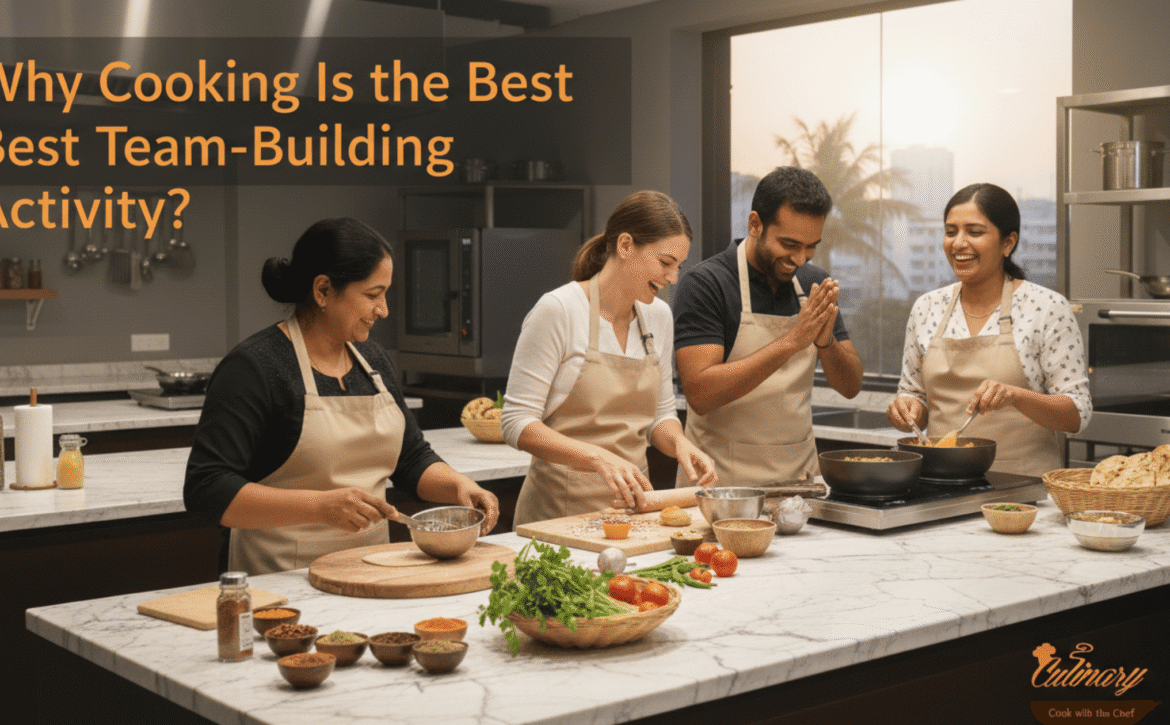
There are activities that bring people together on paper. Then there are ones that actually bring them together in a way they remember. Cooking does not feel like an exercise. It feels like a task that slowly opens people up. The knife skills may not be perfect. The spices may be guessed. But somewhere between prep and plating, people start working like a group that understands each other. That is why Culinary Craft has leaned into cooking-led team-building in a very deliberate way. This is not a borrowed format repackaged for corporate bookings. This is a studio where real food is made every day. Where the kitchens are used by baking diploma students in the morning and corporate teams in the afternoon. Where people do not wear uniforms, but still walk out with something they built together. How the space is designed to create comfort quickly? Culinary Craft’s studio is built in Powai with individual kitchen stations, a pantry-style layout, and a clean, open design. There are no high counters or glass barriers. Guests enter with laptops in one hand and put them away five minutes later. The environment changes that fast. There are no microphones. No PowerPoint decks. The activity starts with raw ingredients on the table and basic safety instructions. The chef explains what to expect, and the rest follows by doing. This is part of Culinary Craft’s approach across their courses; even the structured government-certified baking classes stay grounded in action over theory. Why people behave differently when they’re cooking? In most team-building sessions, there is a single person talking. Everyone else listens and hopes their manager does not call them out. Cooking breaks that loop. Nobody can hide when their hands are in flour or when they need help flipping something. The rhythm of cooking builds participation without needing to call it out. People begin asking each other for small help. Can you pass the masala? Can you check if this is done? Then they start sharing mistakes. I burnt this. I put too much water. I forgot the salt. That moment of laughing together resets how people behave in a team. This is the same idea that drives Culinary Craft’s experiential cooking sessions. Whether it is a couple’s workshop or a street-food-themed afternoon, the goal is to let people engage in a space that feels familiar even when it is new. The activity works for more than one kind of team? Some companies send six people from the same department. Others bring thirty who have never met before. The studio has space for both. The kitchen stations are modular, and the chefs are trained to handle very different group energies. If the group is energetic, the menu is tweaked to be more fun. Stuffed rotis. Simple chaat. Something that lets people play. If the group is quiet, the chef assigns roles gently. Somebody kneads. Somebody stirs. Somebody sets the table. Nobody is forced to lead. But by the end, somebody always does. This flexibility comes from Culinary Craft’s background in both corporate and community formats. Their team already runs workshops for children, birthday parties, bachelorette events, and formal masterclasses. That mix keeps their corporate events relaxed, but still productive. No icebreakers. Just real action with real food Culinary Craft does not start with introductions or games. The food is the activity. The icebreaking happens over chopping onions or learning why a roti puffs. The team does not bond through a puzzle. They bond when they get the curry wrong, taste it, and fix it together. By the time the final meal is plated, every participant has touched some part of it. That is very different from team games, where one or two people carry the rest. In the kitchen, it is impossible to sit out. That is what makes it work. The structure is based on their one-day workshop model, which has been running successfully with individual learners for years. The only difference is that here, the focus is on shared output over individual learning. Why Culinary Craft’s model feels less forced? Most corporate team-building vendors have fixed scripts. A host, a schedule, a debrief. At Culinary Craft, none of that is imposed. The only brief is to let the team cook, talk, eat, and reset. The food is not restaurant-style. It is real, everyday Indian food. Something they can try again at home if they want to. The learning is built into the doing. You realise too much ghee dulls the spice. You see how a missing ingredient throws off the texture. You talk about it naturally, not through a lesson plan. This mirrors how Culinary Craft approaches its diploma in culinary and patisserie arts. Every student works through mistakes. Every correction is quiet but precise. That same mindset carries into corporate cooking formats, too. What the team takes back after the session? There is no photo booth or branded mug. There is a shared meal, made from scratch. The team eats together at the table they set up. They remember who rolled the rotis, who made the chutney, and who forgot the salt the first time. Some teams come back six months later. Some refer to other departments. A few ask for the same chef by name. The feedback is not collected in forms. It comes through emails that say the session was better than expected and that the team is still talking about it. Culinary Craft keeps it that way on purpose. No trophies. No certificates. Just a straightforward goal helps teams see each other in a space where nobody’s trying to win, but everyone wants to finish the job well. FAQs Why is cooking better than the traditional team-building activities? Cooking puts individuals in an activity that is shared in that the contribution is visible and necessary. Every stage involves cooperation and not supervision. Cooking does not resemble a game or a conversation since hierarchy is not involved, and responsibility is shared during the process. The teams communicate not because

Why Cooking Is the Best Team-Building Activity? Read More »

Authentic Indian Cooking Class in Mumbai

Indian Cooking Experiences Designed for International Guests

Some guests walk in after a long day with no idea what they’re about to cook. Others already have a photo of something they ate earlier and want to recreate it. Most do not want a lecture on Indian food history. They want to be in a kitchen that lets them touch, stir, and smell their way into it. That is precisely what Culinary Craft built its Indian cooking experiences for. This is not a polished demo in a five-star hotel. The studio is based in Powai, inside a real culinary training space used for certified workshops, diploma classes, and short-format cooking courses. But when international guests sign up for an experience session, the setup changes. The pressure comes off. The knives stay sharp. The learning stays personal. Why does this session feel more like a conversation than a class? Most cooking classes are still designed like classrooms. One person shows, others follow. The food gets made, but the guest never really learns what changed when the flame was lowered or why turmeric always goes in after the oil is hot. At Culinary Craft, that gap is removed right at the start. There is no whiteboard or slideshow. There is no line of onlookers waiting for their turn. Each guest gets a complete workstation with an induction cooktop, prep bowls, a wooden spatula, and access to every spice the chef uses. The chef explains, then steps back. You taste. You fix. You roll again. You ask why your dal smells different from the one next to you. That’s where the session comes alive. What guests actually cook and why it’s always different? There is no fixed recipe handout at the beginning because the food is never static. One group may make a garlic-heavy jeera dal with simple cumin rice. Another may learn rotis, potato sabzi, and tomato chutney from scratch. Guests are told what they will cook only after they step in, and only after the chef has asked them what they’re comfortable doing. Sometimes they make stuffed parathas with yoghurt. Sometimes they shape small bondas or pakoras served with green chutney. If someone asks to try street-style chaat, the chef may switch plans mid-way. It feels like being in someone’s home kitchen — guided, but never rigid. This format borrows its soul from the one-day workshop model that Culinary Craft has refined over the years. But unlike the structured courses or government-certified baking programmes, the cooking experiences stay loose. They’re not built for certification. They’re built for memory. Who are these sessions meant for? The guests vary. Some are tourists passing through Mumbai. Some are expats working here for a few months. A few are couples on a weekday date. Occasionally, an entire family joins, including kids who roll mini rotis and laugh when flour hits the floor. Most have never cooked Indian food before. A few have, but only through recipes online. What brings them together is the need to cook without feeling judged. These sessions are made for that. There are no wrong cuts. No questions are too basic. You’re told what works. You’re also shown how to fix it when it doesn’t. This spirit of gentle correction also runs through Culinary Craft’s experiential events, whether it’s a dim sum masterclass or an Italian day. But the Indian cooking experience is where guests often feel the most grounded because it feels familiar, even if they’ve never done it before. How is the experience different from other classes? There are no premade spice boxes or half-cooked gravies. The guest cooks every step. The onion is sliced and added to the hot pan. The oil splutters. The mustard seeds pop. The turmeric colours the air. You stir, not someone else. The guests eat what they make. No part of the meal is outsourced. If the rice is too soft or the dal lacks salt, it stays that way. That is part of the joy. It’s not about getting it perfect. It’s about realising that you now know why it turned out the way it did. This is very different from Culinary Craft’s certified culinary courses or diploma in patisserie. There’s no test. No grading. No end-of-day feedback form. Just a shared table, freshly cooked food, and the feeling that something fundamental was learned without pressure. How does the studio support this experience? Culinary Craft is not a pop-up class in a rented kitchen. It is a working studio with full-time chefs, live diploma sessions, and a track record of structured baking and culinary education. But the Indian cooking experience was shaped for people who want to cook in a clean, safe, premium kitchen without formality. The stations are spaced so guests do not bump into each other while cooking. The tools are professional-grade but simple. No fancy gadgets. Just what you’d find in a bright Indian kitchen, the ingredients are measured if needed, but guests are encouraged to work by feel when they’re ready. There’s no loud music or group performance. Just enough conversation to keep things moving and enough quiet to let guests focus on what’s in their pan. What guests remember once the session ends? The printed recipes are handed over, but that’s not what most people take back. They remember the smell of hot jeera in ghee. They remember asking what hing does and being surprised at how little makes a difference. They remember rolling their first roti and burning it slightly. Then rolling another one, slightly better. Some guests send photos days later. Some tag Culinary Craft when they try the recipe again in another country. Others just write in to say they made dal without looking at a recipe, and it felt like a small kind of magic. The experience ends without a certificate, but the feeling lingers, which is why many guests return. Some come back to try new dishes. Some bring friends. Some book the same slot the next month, just to do it again with less fear. FAQS Can one

Indian Cooking Experiences Designed for International Guests Read More »

Cloud Kitchen Business in India

Why a Business Course for Cloud Kitchens Is Essential for New Food Entrepreneurs

The cloud kitchen model has become popular among new food entrepreneurs who want to reduce rent costs and skip dine-in expenses. It gives flexibility to operate through delivery platforms and focus on niche offerings like regional thalis or healthy bowls. At the same time, many cloud kitchens shut down within months because they lack business structure and process clarity. Without pricing awareness or reliable operations, they run into delays and losses. A smart cloud kitchen is not built in the kitchen alone. It starts with the right systems that connect planning with performance. Why cloud kitchen success depends on more than great food: You can make the best recipe, but still fail if your orders are delayed or your margins are broken. A strong food brand needs structure along with consistency. First-time founders often ignore costing marketing, kitchen setup, and staff training because they think good taste is enough. At Culinary Craft, the restaurant consultation service fixes this gap by treating you like a food entrepreneur, not just a chef. You learn how to plan, launch, and scale with confidence using tested business methods that reduce waste and boost quality. Key challenges faced by first-time cloud kitchen entrepreneurs: Many early cloud kitchen businesses fail because of common mistakes that are avoidable with proper planning. These include: Poorly designed menus with high wastage. No clarity on recipe costing, which leads to unstable margins. Untrained staff that affects consistency and hygiene. Lack of kitchen SOPs is causing chaos during rush hours. Weak customer retention due to poor packaging or service. No distinct brand identity, so you get lost in aggregator apps. These mistakes reduce trust and make it harder to recover customer loyalty. They also drain profits quickly if left unchecked. With structured support, you can avoid these traps and start strong. What a cloud kitchen business course must teach (and how Culinary Craft delivers): A food venture needs more than recipes. It needs training that touches every part of your kitchen, along with your team and your brand. Culinary Craft builds your food venture with practical modules that reflect real kitchen needs. Business Positioning: You define your niche, select your target audience, and compare your pricing against competitors. You also build your value offer and brand tone before you launch. Menu Engineering: You learn to price each dish properly and plan prep steps that are scalable and repeatable. You match flavour with portion control, along with delivery suitability. Staff Training: The kitchen team is trained in time-sensitive roles, hygiene discipline, and productivity habits. This improves both food quality and output pace. Operational SOPs: You receive ready-to-use checklists for prep inventory service flow and hygiene steps. This avoids confusion when the orders start coming in. Kitchen Planning: Your space is designed around your menu for smooth movement, safe equipment use, and clear zones for storage and cooking. Brand & Marketing: You craft your brand story, design packaging, build customer experience, and prepare for online presentation through photos and digital content. Licensing & Compliance: You receive guidance on required documents, such as FSSAI food safety registration and other permits, based on your business format. Menu engineering: Make every dish a profit center: Every item on your menu must be judged for both flavour and cost. This includes ingredient pricing, prep time, and portion control. A great dish is not great if it takes too long or brings too little profit. Culinary Craft helps you refine your recipes by balancing visual appeal with delivery format, along with reducing unnecessary steps. You also receive menu costing tools that help you track margins and pricing patterns. Without this work, your kitchen may run at high volume and still stay unprofitable. SOPs: Why your cloud kitchen can’t scale without systems: Systems help you maintain quality across orders and shifts. Unlike dine-in models, cloud kitchens rely on speed along with packaging consistency. If you do not write your process, your staff will guess it every time. Culinary Craft creates detailed SOPs for you, covering recipes, portion sizes, packaging layouts, and hygiene checkpoints. You also receive cleaning schedules and delivery dispatch steps. These SOPs reduce errors, help new team members learn faster, and allow you to open second outlets with the same performance. Staff training: From chaos to coordination: In small kitchens, every second counts, and every step must flow without delays. Many food startups hire staff quickly but do not train them in basic kitchen habits. This leads to missing prep delays in dispatch or poor customer handling. Culinary Craft solves this by offering role-based training across kitchen and service teams. You learn how to track performance, reduce errors, and build team rhythm. A trained team does not just cook faster. It also protects your brand during busy periods. Marketing and branding. Stand out in the delivery world: The food delivery space is crowded and visual. If your food looks average or your packaging is generic, you will lose attention. People eat with their eyes first and order with their screen. Culinary Craft helps you shape your brand identity with logo design, name selection, and photography tips. You also learn how to create social media content and use customer reviews as trust tools. These steps give your brand a real chance to compete on aggregator platforms where thousands of options are listed daily. Start smart. Avoid costly mistakes: Cloud kitchens can succeed with the right foundation. You do not need a big team or a big space. You need process structure, menu clarity, and brand presence. Culinary Craft gives you those tools through their consultation service. From business planning to prep sheets and team training, you are guided by experts who have helped real food businesses scale. With expert support from Culinary Craft, you do not just cook. You build a business that knows how to perform. FAQs Can I run a cloud kitchen without business training and focus only on the food? You can cook well and still struggle with profits if you ignore systems and

Why a Business Course for Cloud Kitchens Is Essential for New Food Entrepreneurs Read More »

How to Start a Food Business in India

How to Start a Food Business in India – A Beginner-Friendly Step-by-Step Guide

The demand for home-delivered meals and boutique food brands has surged in many Indian cities over recent years. Individuals are seeking niche products such as healthy food, vegan food, or artisan bakery products. This change creates a broad market to new food entrepreneurs who prefer to create a small brand or cloud kitchen. In case you are planning to open a food business in India and you are confused with the process, then you are not alone. This guide will walk you through essentials from planning your menu to setting up your kitchen and launching with confidence. Step 1: Finalize your food business model: First, determine what kind of food business suits your vision and resources. You might choose a home bakery if you prefer low investment and small scale. You might choose a cloud kitchen format if you want high volume with a delivery focus. You might pick a boutique café if you wish to offer dine‑in experiences and curated menus. You may also consider catering or delivery-only brands if you want flexibility and lean operations. Culinary Craft helps you build this decision with support for brand concept and target audience strategy, along with clear market positioning. Step 2: Menu development that balances creativity and profit: Taste, cost and sustainability of your business will be determined by your menu. Before listing a dish, every dish should be verified on ingredient cost, preparation time, weight, and overall appeal. At Culinary Craft, menu engineering service guarantees the development of recipes, flavour profiling, standardisation of portioning and menu costing. This method helps you avoid loss-making dishes and improve profit margins. The menu design also affects customer attraction and repeat orders. A well‑designed menu helps you manage kitchen workload while satisfying customer expectations. Step 3: Set up your kitchen for efficiency and scale: A kitchen must be planned carefully for smooth operations and hygiene standards. You must design workflow layout, equipment placement, storage, and prep zones based on the menu demand. Ventilation washing zones and safety standards must be laid out correctly before operations start. Culinary Craft’s kitchen planning service covers all these elements. When your kitchen is set properly, you reduce delays, improve team productivity, and avoid costly mistakes. A well-planned kitchen gives you confidence to scale operations or accept larger orders as your business grows. Step 4: Get your legal licenses and compliance documents: Running a food business in India needs proper registration and compliance documentation from day one. You may require licences such as an FSSAI food safety certificate. For eateries or outlets, you might need a shop establishment certificate or a fire safety NOC, depending on the location. Delivery kitchens often need local municipal permissions. If you plan to sell or deliver across states, you may need GST registration. Culinary Craft helps clients understand which documents are required for their business format and assists in compliance planning. Proper compliance helps avoid legal trouble and builds trust with customers and partners. Step 5: Build your team – training is key: A strong kitchen or delivery setup depends on reliable, trained staff. The recruitment of individuals is not the only step. It is important to train personnel in the hygiene practice, preparation, cooking discipline and services standards. Culinary Craft offers personnel training programs which include kitchen skill training, service training, hygiene standards, and time management routines. These modules help reduce mistakes, improve quality, and build a consistent team culture. Trained staff contribute directly to consistent food quality, happy customers, and smooth operations under pressure. Step 6: Standard Operating Procedures (SOPs) for consistent output: Running a food business in an unprocedural manner will cause havoc and inconsistency. You need SOPs in processes such as prep lists, inventory checks, cleaning routines and quality control. There should be guidelines followed in packaging, portioning, plating and service flow. Culinary Craft helps you to create SOPs that would fit your menu and your style of operations. Using SOPs, you will be in a position to have the same quality of all orders daily. SOPs also make it easier to train new employees and they can be used during the scaling of operations without affecting standards. Step 7: Build a strong brand and go‑to‑market strategy: Food business success depends on both food quality and brand visibility. You need a brand name logo, story, pricing strategy, and customer experience plan that reflects your food style and values. Culinary Craft supports you in building that brand identity, along with vendor management and supply planning. You can also use the service to get ready to post on social media or listings with simple food photography instructions. Good presentation and brand clarity will assist in attracting customers, creating brand loyalty and cutting through the already saturated market. Get expert help for a confident start: There are numerous gears between the idea and the kitchen to the service when starting a food business. You require clear planning, regular operations and support. Culinary Craft provides consulting service which includes brand planning, kitchen establishment, training of staff and compliance advice. You are likely to succeed in case you follow this roadmap and seek support where necessary. It is possible to create a food business that provides quality meals and long-term value with proper training, guidance and planning. FAQS Can I start a food business from home without opening a physical shop? Yes. You can start a home bakery or cloud kitchen with lower investment compared to a café. Culinary Craft supports planning, kitchen setup and menu engineering for home-based formats with clarity. What kind of licenses are needed for a small food business in India? You may need an FSSAI food safety license, GST registration, and local approvals based on your business model. Culinary Craft helps you understand which documents apply to your setup and location. How does menu development affect the success of a food business? Your menu decides ingredient cost, kitchen load, and customer retention. Culinary Craft helps you balance flavour, cost and presentation while removing loss-making items that reduce profit

How to Start a Food Business in India – A Beginner-Friendly Step-by-Step Guide Read More »

Government Certified Diploma in Veg Cooking

Why a Government Certified Diploma in Pure Veg Cooking Is Valuable for Aspiring Chefs

More people in India now prefer vegetarian meals across restaurants, along with home dining and special occasions. The shift is not based on trend alone. It is rooted in deeper cultural values, along with health and sustainability concerns. As this demand rises, the need for chefs who can prepare well-balanced vegetarian dishes is also growing. Cooking vegetarian food at a professional level is not the same as home-style cooking. It involves an insight into spice layering and ingredient science and timing. To be a professional vegetarian cook, the first thing to do is to establish a strong culinary background with the help of an expert. A Government Certified Diploma in Pure Veg Cooking provides aspiring chefs with professional artistic techniques, structured culinary foundations, and recognized certification. Culinary Craft offers a dedicated Government Certified Course in Cooking with a focused Pure Veg pathway. The structure allows you to train under chefs in a kitchen environment that mirrors real-world conditions. What makes a government-certified veg cooking diploma different from regular cooking classes: Regular cooking classes usually focus on hobby learning or basic recipe recreation. While these may help you improve home meals, they do not provide the structure required for professional kitchens. A government-certified culinary course gives you standardization along with credibility. It prepares you for both job roles and food business goals. Professional training builds muscle memory around knife use, prep cycles, timing, and hygiene. It is not about memorizing a dish. It is about understanding what makes food work under pressure. The diploma from Culinary Craft is approved under Skill India and designed to support career or business paths that involve real kitchen operations. What this diploma delivers includes: Skill-based hands-on kitchen training. Professional methods used in commercial kitchens. Discipline plating and ingredient science. Certification that contributes to employability and industry acceptance. This is not a casual course. It is designed for aspiring chefs who want structured training. Structure of the Government Certified Pure Veg Cooking pathway at Culinary Craft: The Government Certified Course in Cooking at Culinary Craft includes a Pure Veg pathway available on weekdays. The vegetarian option follows the same high standards as the full course and is delivered by the same team of professional instructors. Veg Course Schedule: Dates: 19th January to 25th February 2026 Timings: 02:00 PM to 05:00 PM (Weekdays only) What you will learn during the vegetarian chef course includes: Working with Indian and international vegetarian cuisines. Understanding ingredients and spice combinations. Cooking soups, sauces, breads, rice dishes, and vegetarian mains. Practicing restaurant-style plating techniques. Completing every step through hands-on training in a real kitchen setup. The format is built around repeatable systems. You learn how to plan, prep a plate, and clean up like a professional. This includes timing each step and managing volume during busy service simulations. Once completed, students gain the confidence to: Design and cook vegetarian menus. Run daily operations inside kitchens. Start their own food service venture at home or outside. Skills you gain through a government-certified pure veg culinary diploma: Training is structured to build practical confidence, not just theoretical understanding. Each student is guided through practice loops that help them internalize every skill. This is done using real recipes across a variety of Indian and global vegetarian styles. Key skills you develop during the course include: Mastery of vegetarian cooking methods used in professional kitchens. Working with spices and regional flavors across dishes. Precision knife skills and ingredient handling from prep to cook stage. Menu engineering and balancing flavor based on dish design. Food tasting dish refinement and plating standards for restaurant presentation. Time management and workflow discipline during peak cooking slots. Food hygiene and safety standards for clean and safe operations. Real practice with professional tools and equipment under guidance. The result is not just better dishes. It is the ability to complete meals with clarity, speed, and confidence. After this course, you are ready to produce food that meets restaurant quality while working independently or with a team. Career benefits: why certification matters for aspiring veg chefs: Formal certification will enable the employers to believe in your skills even before you prove them. Your resume is credible when it is accompanied by a diploma that is recognized by the government, whether you are going to work under a chef or you are going to open your own. This is a credibility building to the entrepreneurs. It proves that your meal is supported by the professional training. This helps in selling your service easily whether it is a home tiffin or a catering company. Career options after completing the Culinary Craft course include: Joining commercial kitchens or professional culinary teams. Launching home-based ventures or catering services. Running vegetarian tiffin or meal service businesses. Becoming a specialty cuisine chef focused on regional or global veg styles. Conducting private dining or workshop experiences. The course is designed for flexibility. Weekday batches make it easier for working professionals or home-based learners to attend. Modules are structured with internal assessments that help you track real progress. You complete the course with clear evidence of the skills you have built. Why choose Culinary Craft for a Government Certified Veg Cooking Diploma: Culinary Craft does not focus on theory-heavy content. The studio is designed for hands-on work with real ingredients under real timing. The kitchen is air-conditioned and laid out to support professional workflow. Each batch is small so that students receive full attention. Training is led by experienced chefs who teach step-by-step. You will not be watching from the side. You will be cooking at your own station while being corrected and guided in real time. Clean-up is handled by staff so students can stay focused on training without interruption. What sets Culinary Craft apart: Air-conditioned professional kitchen with equipment used in the industry. Guided training with instructors who have worked in real restaurants. Learning through live demos along with daily hands-on practice. Real kitchen rhythm and prep cycles without manual clean-up duties. Personalized learning inside small batches. Government-recognized

Why a Government Certified Diploma in Pure Veg Cooking Is Valuable for Aspiring Chefs Read More »

Diploma in Government Certified Baking

Diploma in Government Certified Baking: The Best Career Path for Aspiring Bakers

Baking in India has grown far beyond the occasional hobby or weekend experiment. More people are now exploring it as a serious and rewarding career path. From small home bakeries and café counters to cloud kitchens and boutique patisseries, the demand for skilled bakers has expanded. People want desserts that look beautiful and taste balanced. They expect texture consistency and clean flavors. To meet that expectation, you need more than recipes copied from the internet. You need real technique and timing that only structured training can provide. A diploma in baking that is government approved is the best work launchpad of bakers who would like to make passion a career. At Culinary Craft, you do not watch but you learn by doing. You prepare yourself and rectify the errors with the help of working chefs who will coach you during the process. Why certification in baking matters more than ever: You must have structured guidance, in case you want to pursue a baking career. It is what makes the difference between amateur bakers and professional bakers. Any recipe can be followed by anyone, and only a small number of people can provide consistent results at scale or under pressure. A professional baking course educates you on that discipline. Government certification gives you real recognition and opens career doors. It proves to others that your skills are not casual or random. It also gives customers and employers the confidence to trust your work. Here is what certification allows you to gain: Proof of professional skills that can be applied in commercial settings. Eligibility for internships or placements with trusted partners. Improved credibility for home bakers and food entrepreneurs. Better pricing power and brand strength for your offerings. It is not just about the certificate. It is about what the certificate represents. Inside the government-certified baking course at Culinary Craft: Culinary Craft offers multiple certified baking programs designed for serious learners. The structure is flexible so that you can choose between weekday or weekend formats based on your availability. Course Options: Course Name Dates Timing Duration Government Certified Course in Baking (Sunday Only) 11th January to 15th March 2026 9:00 AM to 12:00 PM 10 Sundays Government Certified Course in Eggless Baking (Weekdays Only) 12th January to 10th February 2026 10:00 AM to 1:00 PM Weekdays Government Certified Course in Bakery and Pastry Arts (Weekdays) 12th January to 10th February 2026 10:00 AM to 1:00 PM Weekdays What you will learn during the program includes: Baking of eggless doughnuts, cookies and brownies of regular texture. French pastry including: puff Danish and choux including: eclairs and profiteroles. Plating desserts, making cheesecakes, mirror glaze cakes and tartes on the job. Training in how to ice, color, shape and finish cake using bakery equipment. The knowledge of how to make macarons and when and how to make them. All the sessions will be hands-on and employ real baking equipment within a commercial-style kitchen. Students are producing their own products and teachers mentor them. The learning environment is designed in such a manner that enables practice and learning as opposed to watching and taking notes. Real-world skills you will master as a certified baker: You can not work in baking only with recipes. You should know how ingredients react and how to increase the ingredients without compromising on quality. This is what the Culinary Craft diploma teaches with the repeated guided practice. Here are the practical baking skills you will develop: Understanding of ingredient functionality in various doughs, batters and fillings. Applying correct mixing techniques of laminated doughs and soft or dense cakes. Replacement and technology of eggless baking of commercial products. Preparing the moulds of the layer cakes and covering them with icing, glaze of ganache or fondant. Operating commercial ovens, trays and baking equipment without supervision. There should be chocolate work, such as tempering, to the course format. Bakery setting time management preparation and workflow. Its products are scaled using the same quality and adjusted according to the shelf-life needs. To improve the beauty, the glazing, dusting, coloring, and shaping are used to achieve a clean look. You will not only be sure that you will be able to take orders but also make the real decisions in the bakery by the time when you will complete the course. You will also learn how to adapt to the eventuality of something awry and how to meet a deadline and produce good work. Career opportunities after completing a certified baking diploma: The baking world has very many career opportunities and this course will prepare you to explore this world. You want to work in a kitchen or you want to have your own brand, it does not matter. You should possess habitual skills and practice. A certified baking diploma allows you to pursue roles such as: Assistant pastry chef inside a restaurant or hotel kitchen. Bakery café production staff focused on fresh daily goods. Founder of a home-based bakery with delivery or pick-up options. Dessert caterer for weddings, events, or special corporate orders. Cloud kitchen dessert menu designer with online presence. Baking blogger workshop host or online course creator. Culinary Craft supports your career journey through optional internship opportunities. These are based on availability and performance during the course. In addition, students receive certification from both Culinary Craft and Skill India, which adds credibility when speaking to employers or customers. Why choose Culinary Craft for government-certified baking courses: Culinary Craft offers training in a setting that is similar to professional kitchens. You do not sit in classrooms. You bake, pipe and garnish on your table step by step. The studio is fully air-conditioned with commercial ovens, mixers, chillers and tools used in real bakeries. Cleaning up after practice is not supposed to be done. That is time wasted that you can use to perfect your approach. Key strengths of the program include: Fully equipped baking lab with commercial-grade ovens and tools. Clean professional space with air-conditioning and workstations for each student. No cleanup required

Diploma in Government Certified Baking: The Best Career Path for Aspiring Bakers Read More »

1
Subtotal - 1 item
Shipping & taxes calculated at checkout.
3,150.00
Checkout Now
Powered by Caddy
+