Enquire Now

Culinary Craft

Sajida Khan

cooking and baking classes

Why Cooking Classes Are the New Weekend Activity Trend

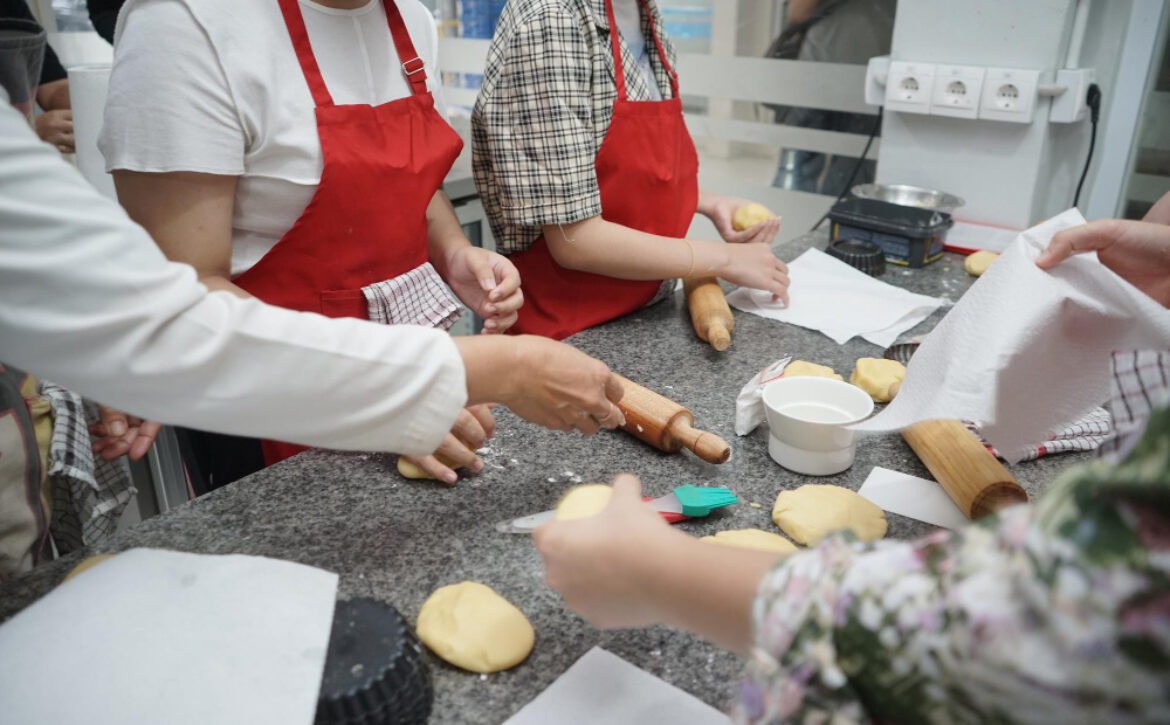
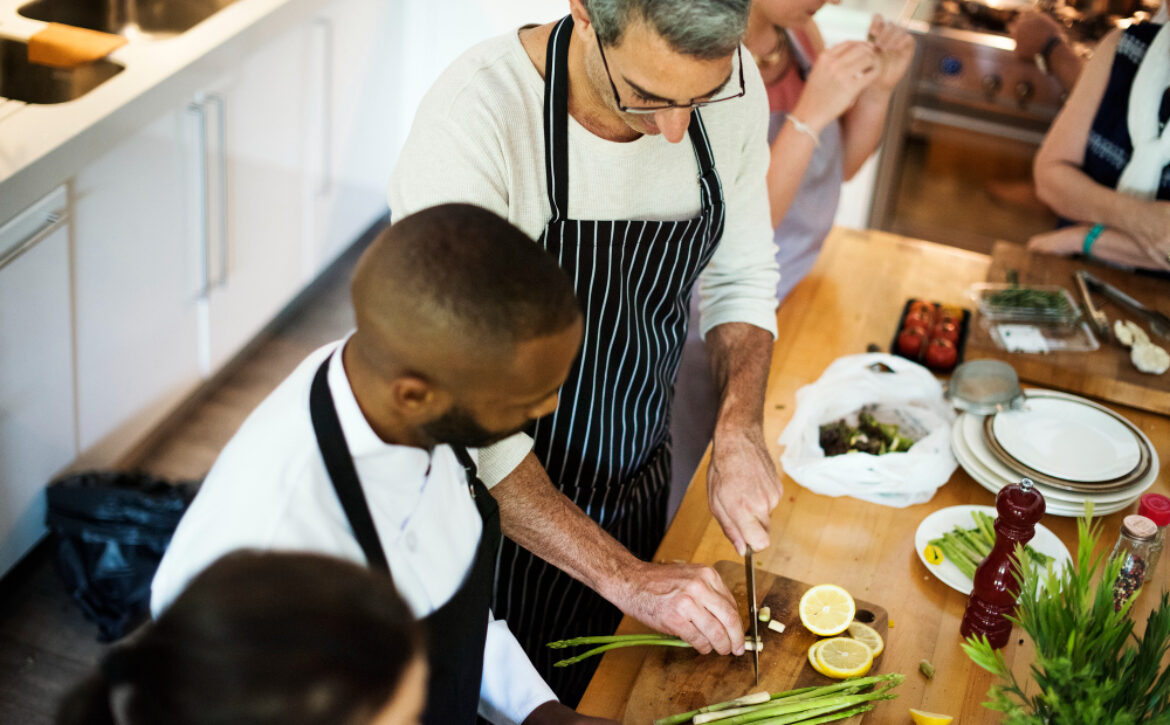
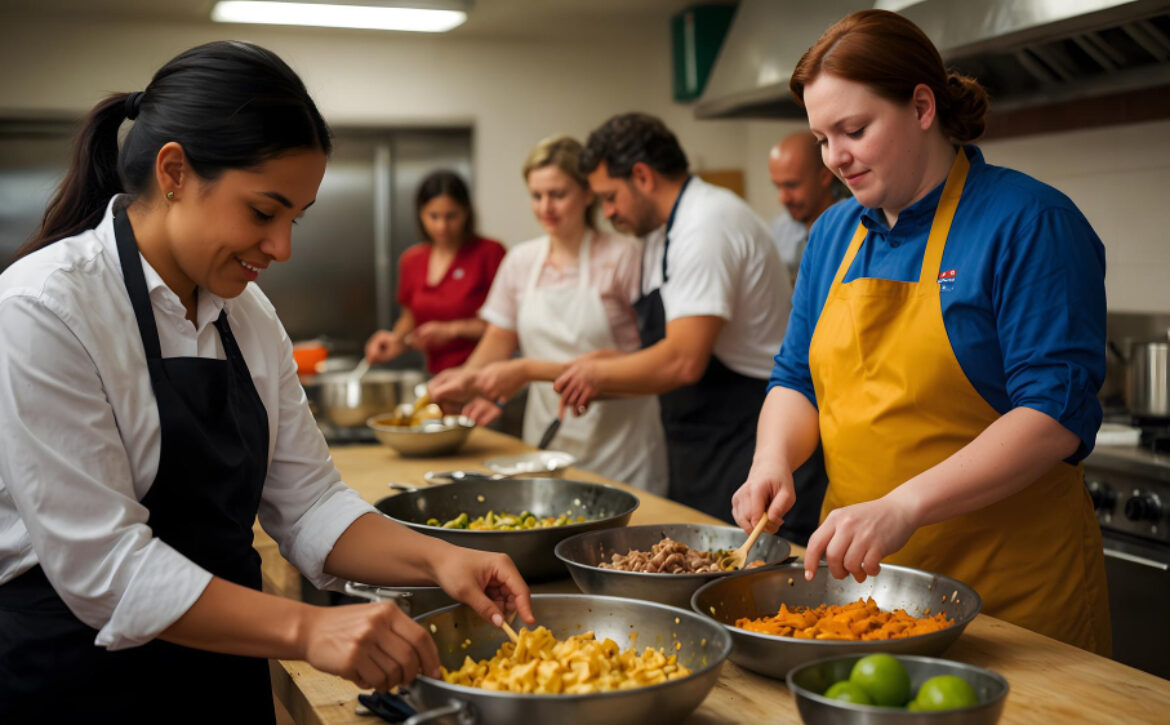
There was a time when weekends meant sleeping in or going out for a planned event. That rhythm doesn’t feel the same anymore. A lot of people are choosing to spend a few hours learning something that feels good and is hands-on. Cooking classes have quietly taken over that space, giving people a break that is both relaxing and productive. A Break That Feels Personal A kitchen setting is calm, unlike busy malls or crowded cafés. People don’t often get this kind of focus during the week when they measure ingredients, chop vegetables and watch flavours come together. Taking cooking classes lets people slow down and do something with their hands, which is good for them after spending a lot of time on screens. Learning Without Stress Another reason this trend is growing is that there is no pressure. No one expects things to be perfect. People come with different levels of skill, which makes the event more fun. The atmosphere is always positive, whether someone is learning how to make a simple dal taste better or trying to make a complicated dessert. Cooking classes make learning feel natural instead of forced. Social But Not Too Much Meeting people on the weekends is also fun, but not everyone likes big, loud parties. A shared kitchen lets you talk without all the noise. People who don’t know each other become teammates over a recipe, and it’s easy to talk while you’re waiting for something to cook. It feels like a social event, but it’s also comfortable. A Knack of Professional Guidance There is also more and more interest in structured learning. Many people who are interested in cooking are looking into professional chef courses in Mumbai to learn more. These classes teach you about kitchen discipline, techniques and how to present food. Even if you don’t want to change careers, the exposure gives you more confidence and skills that show in your everyday cooking. Creativity Has a Place You can express yourself through cooking. Once people know the basics, they start to try new things. Adding a little something extra, changing a recipe slightly or even plating food in a different way can make you feel like you own it. People keep coming back for more because cooking classes let them be creative. The Joy of Taking Something Home At the end of each session, there is always something real to take home. It could be a dish, a new recipe or even a small trick that changes the way you cook for good. The feeling of bringing something home makes the experience worth it. Concluding Thoughts Plans for the weekend don’t always have to be loud or rushed. A few hours in the kitchen can sometimes leave a lasting impression. People who want to learn, relax and have fun in a meaningful way are slowly starting to choose cooking classes over other options. Join us at Culinary Craft and make your weekends warm, tasty and fun.  

Why Cooking Classes Are the New Weekend Activity Trend Read More »

cooking and baking classes

Top 7 Baking Skills You Can Learn in a Professional Class

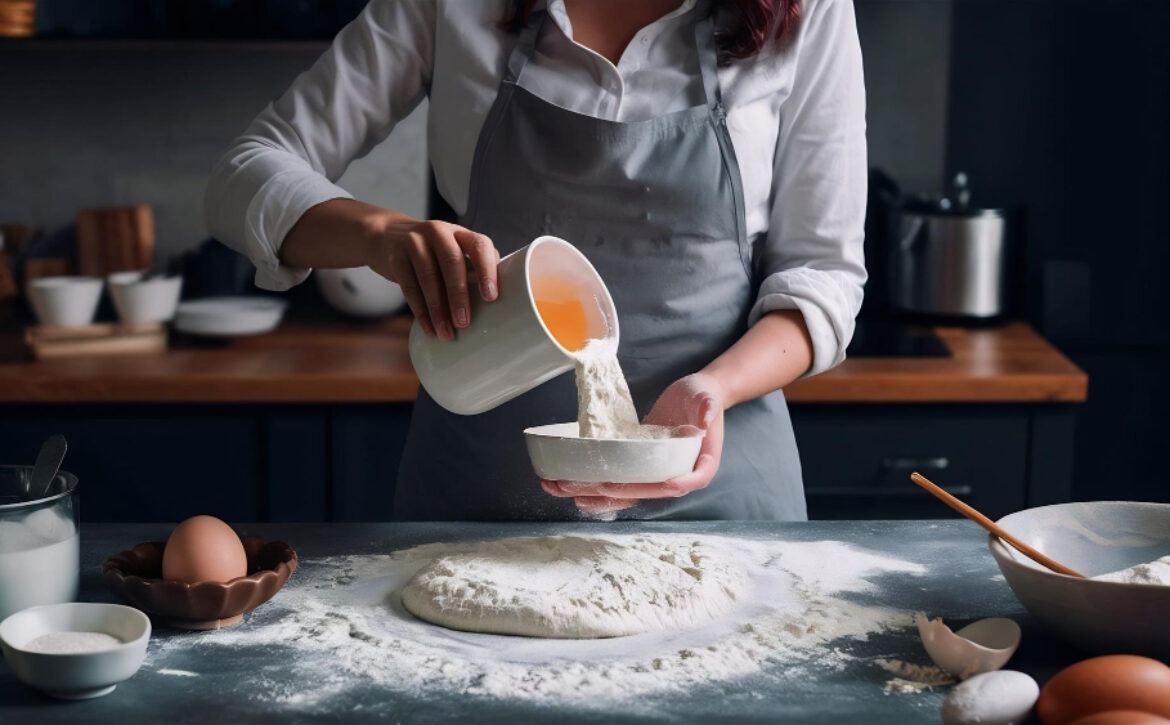
There is something quietly satisfying about baking. The aroma of sugar and butter in the kitchen makes life feel better for a short time. But there are skills behind every soft sponge or crispy tart that don’t just happen by chance. A professional class gives order to the chaos and turns uncertainty into certainty. If you’ve ever thought about taking a baking course in Mumbai, here are seven skills that will make the effort worth it. Being a Pro at Measuring Eyeballing ingredients works for chai, but not for baking. Everything is different with precision. You learn the difference between a packed cup and a level cup in class, as well as how a few grams can change the fate of your cake. It sounds easy, but it saves a lot of heartache. Knowing the Ingredients Flour is not just flour. When cold or melted, butter acts differently. Eggs have moods of their own. You won’t blame the oven for every failed bake anymore after taking a professional class that teaches you how each ingredient works. Getting the Hang of Dough and Batter You need to be patient and gentle when kneading dough and folding batter. If you mix too much, the texture will be ruined; if you mix too little, there will be lumps. Teachers often tell their students to treat their dough like a polite guest, not a stress ball. Control of Temperature Ovens can be challenging to use. Some run hot, while others take their time. It helps a lot to learn how to preheat, change racks and read visual cues. This one skill can make all the difference between uneven bakes and perfect ones. Decorating Without Getting Stressed It looks easy to ice a cake on social media, but it’s not. You learn how to pipe, layer and add the finishing touches in a class. You also learn that charm is more important than perfection here. Timing and Planning There are a lot of steps to baking. You need to get ready for one layer while the other bakes. A weekend baking course will help you manage your time better, so your kitchen won’t feel like a war zone anymore. Fixing Mistakes the Right Way Burnt edges, sunken centres and cracked tops. These things happen. The real skill is in making repairs or changes. A good class teaches you how to solve problems quickly and, even better, how to avoid making the same mistake again. A Sweet Ending Taking a baking course in Mumbai changes how you think about baking. It stops being about luck and starts being about knowledge. Culinary Craft is a great place to start if you’re ready to get your hands dirty and get some flour on your clothes. Our classes combine skill, patience and a lot of fun. And who knows, your next bake might be the best thing ever at home.  

Top 7 Baking Skills You Can Learn in a Professional Class Read More »

cooking and baking classes

Professional Chocolate Making Course: What You’ll Learn Step-by-Step

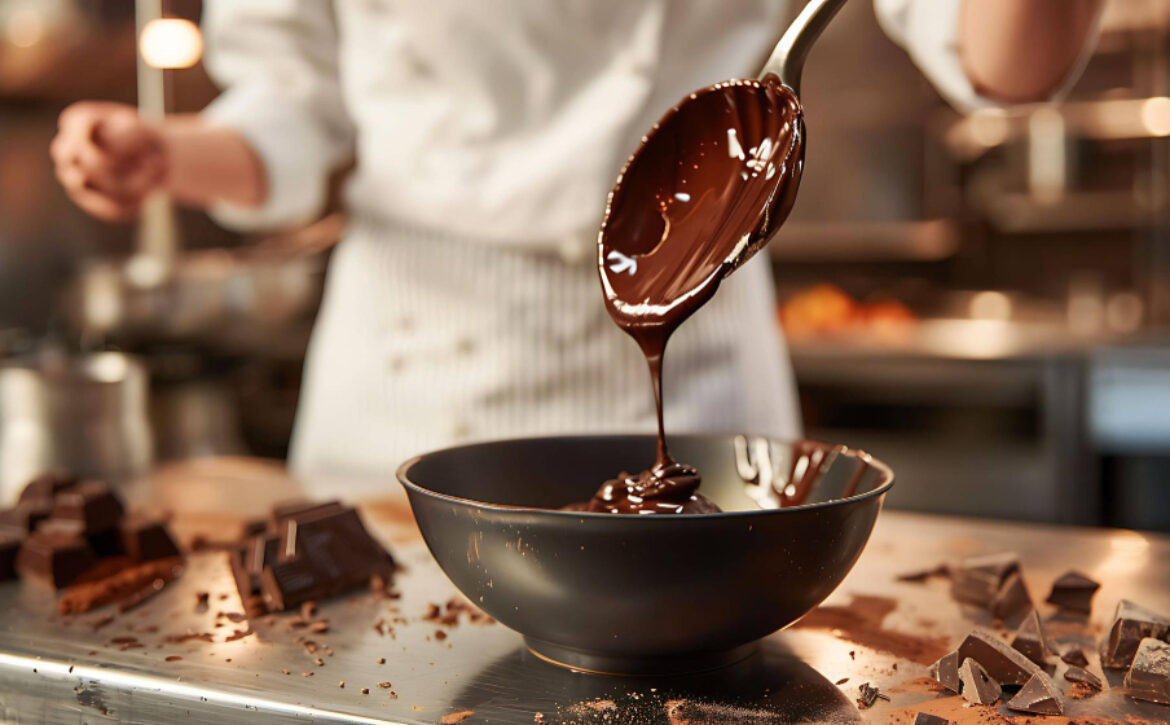
Chocolate has a way of making even the most serious adult feel like a kid again. Now think about how good it would be to not only eat it, but also make it yourself. A professional chocolate-making course in Mumbai will give you that same joy, along with skill, patience and a lot of cocoa dust on your apron. Getting to Know the Basics of Chocolate The first step on the journey is to learn about chocolate. You learn about cocoa beans, where they come from and how they are turned into different kinds of chocolate. Not only do dark, milk and white taste different, but they also act differently. This stage is like meeting new people at a party and figuring out who can handle stress and who can’t. The Art of Tempering Tempering sounds fancy, but all it means is keeping the temperature just right so that your chocolate shines and snaps perfectly. You need to pay attention and have a steady hand for this step. It’s okay if a lot of beginners have trouble here. There is a quiet pride in holding a glossy bar that you tempered yourself once you get it right. Moulding and Shaping with Style This is the fun part now. You pour, tap and set chocolate into moulds that come in many different shapes. This is where creativity starts to show, from classic bars to fun designs. Sometimes things don’t go exactly as planned, but those are often the best stories later. Mixing and Matching Flavours and Fillings A plain chocolate is nice, but adding flavours makes it even better. You learn how to add flavours to nuts, fruits, spices and even a little bit of chilli. Ganache, praline and caramel fillings come into play. It smells ten times better than cooking at home at this stage. Decoration and Presentation Chocolate that tastes good should also look good. You learn how to decorate in simple ways using colours, textures and drizzles. People also pay attention to packaging because it matters how things look, especially if you want to sell them. A well-packed box can make someone happy before they even eat. Hygiene and Professional Standards People really care about cleanliness. You know how to keep things clean, store chocolate properly and keep your workspace organised. These habits may seem simple, but they really help when you want to set up a business. The End A professional chocolate-making course in Mumbai gives you a full hands-on experience, from the basics to the finer points. It teaches you to be patient, precise and a little creative, all while being deliciously chocolatey. This course gives you something sweet and satisfying, whether you want to start a business or just learn a new skill. If you’re ready to make something of your love for chocolate, take the next step with Culinary Craft and start your journey today.  

Professional Chocolate Making Course: What You’ll Learn Step-by-Step Read More »

cooking and baking classes

Baking Classes vs Cooking Classes: Which One Should You Choose?

A simple question is often the first step to learning something new in the kitchen. Should it be cooking or baking? From the outside, both look interesting, but once you get inside, they feel very different. Some people like how calm and structured baking is, while others like how lively and ever-changing cooking is. It all depends on your personality, how fast you want to go and what you want to get out of the experience. Baking: A Quiet Discipline You have to slow down and pay attention when you bake. The time, the measurements and even the temperature of your ingredients can all change the outcome. This is why most professional baking classes are set up in a very organised way. You learn how to do things step by step, without hurrying. This routine is comforting in some way. It’s hard to put into words how good it feels to see dough rise or a cake turn golden. Baking will feel like a natural fit if you like neat work, doing things over and over and getting small things just right. A lot of people who opt for bakery training in Mumbai do so with long-term goals, like opening their own bakery or working in a professional kitchen. The Energy of Cooking On the other hand, cooking is much more flexible. You can change the flavours as you go. A little extra spice, a quick switch or a last-minute change can often lead to something new. Cooking classes are usually fun and give you more freedom to be yourself. Cooking might be better for you if you like to try new things and don’t like strict rules. It also seems more useful for everyday life. Every day, cooking skills come in handy, whether you’re making a quick meal or a fancy one. Many students like that the pace is faster and the results come together quickly. Time and Effort Needed to Learn It usually takes a while to get good at baking. You might have to make the same recipe a few times before you get it right. At first, cooking seems easier because you can fix small mistakes along the way. But both need to be done consistently. How often you practice and how patient you are with yourself will determine how quickly you improve, whether you are taking professional baking classes or just cooking at home. Which One Should You Pick? There is no one right answer. Baking is a good choice if you like things to be exact and quiet and the idea of making breads, cakes and desserts. Cooking might be better for you if you like variety, quick results and things that are useful every day. Some students even start with one and then move on to the other. The skills often work well together, and having both can give you more chances. Culinary Craft has well-thought-out programmes to help you learn real skills if you’re ready to move on. Be brave and take that first step.

Baking Classes vs Cooking Classes: Which One Should You Choose? Read More »

Top Reasons to Pursue a Diploma in Baking & Pastry

Why Mumbai Is a Great Place to Pursue a Diploma in Patisserie

Mumbai has always attracted people who want to build something of their own. Most come for finance or film, yet the food industry is now drawing the same ambition. As restaurants multiplied and café culture expanded, the city’s expectations of culinary professionals also increased. With that shift, informal learning stopped being enough. Many aspiring chefs began looking for structured education that could match the city’s pace. That is where a Diploma in Patisserie Mumbai started gaining relevance. It offers direction in a market that values both creativity and precision. At the same time, professional Culinary training in Mumbai began aligning itself with global kitchen standards. Students who join a serious course in Baking and Patisserie do not want simple training anymore. This change can be observed in institutes like Culinary Craft in Powai, which offer skill-based and focused programs. Due to this ecosystem, Mumbai is more of a city option rather than a sensible beginning to a pastry career. The Flourishing Bakery and Café Culture in Mumbai The food culture of Mumbai has been transformed in apparent ways. In the last ten years, the choice of desserts was predictable and small. The city today is a representation of a robust and growing Bakery culture Mumbai influenced through experimentation and demand. Walk through Bandra on a weekend and the cafés are full. Visit Powai or Lower Parel and dessert counters display plated creations that match international standards. These shifts are not random. They reflect changing dessert trends in Mumbai where presentation, texture, and flavour balance matter as much as taste. This movement is supported by different types of establishments:   Boutique cake studios. Sugar-free and healthy dessert spots. Pastry corners in multi-cuisine cafés. As this environment grows, skill requirements grow with it. That is why Patisserie workshops Powai have gained attention among aspiring bakers. Culinary Craft contributes through structured sessions on eggless fondant techniques and regional sweet applications. Training and market demand are now moving in the same direction. A Learning Environment Built for Practice, Not Just Theory Patisserie is a skill that develops in the kitchen, not in a notebook. Reading about technique does not create control over dough or chocolate. Control comes from repetition and correction. That is why Hands-on patisserie training matters in a serious programme. Inside a working Baking studio Mumbai, students stand at their stations and prepare recipes themselves. They handle ingredients, manage timing, and adjust texture as required. Mistakes are addressed immediately, which strengthens understanding. The Culinary Craft workshop approach follows this structure. Participants bake during every session rather than observe passively. They repeat processes until movements become natural. This rhythm mirrors the pace of professional hotel kitchens and established bakery brands. Practice becomes preparation for real responsibility. Professional-Grade Kitchen Studios and Resources The quality of space influences the quality of learning. A dedicated Culinary studio Powai offers more than basic classroom facilities. It operates like a compact commercial kitchen. Students work with Professional baking amenities that resemble those used in established bakeries. They learn how ovens respond to temperature shifts and how equipment must be handled with care. This exposure builds operational discipline. Through structured Mumbai kitchen training, learners understand workflow from preparation to plating. They follow hygiene standards and manage ingredients correctly. This familiarity reduces uncertainty when they step into larger professional kitchens. Exposure to Global Techniques and Regional Flavours Mumbai’s food scene brings multiple traditions into one working space. A single dessert menu may carry European classics and Indian inspirations together. This setting introduces students to Global patisserie techniques while keeping them connected to familiar flavours. In the same training cycle, learners may practise laminated dough and also explore elements of Indian dessert mastering. This balance reflects the reality of a Multi-cuisine baking Mumbai environment where customers expect variety. Exposure to contrast builds adaptability.   Focus Area Example Learning Benefit French Pastries Croissants, tarts Understand structured European technique Indian Desserts Mithai influences Develop fusion-based flavour thinking Healthy Desserts Sugar-free sweets Respond to current dietary preferences   Culinary Craft aligns with this diversity through workshops on sugar-free Indian desserts and international patisserie modules. Students, therefore, train within the same range they see in the market. Flexible Learning Pathways for Every Aspirant Culinary education does not follow one fixed route. Some learners seek depth over several months, while others look for focused skill upgrades. A clear Diploma and workshop structure make both possible. In Mumbai, options range from One-day baking classes in Powai to extended certification programmes. Short sessions allow working individuals to test their interest without long commitments. Longer formats, such as a Certified patisserie course in Mumbai, provide structured progression and assessment. Culinary Craft combines both models within one framework. The Advanced Culinary and Patisserie Arts diploma is accompanied by workshops on particular topics. This flexibility helps students, professionals, and entrepreneurs who have to combine training with other duties. Mumbai’s Hospitality Ecosystem and Networking Advantage Mumbai’s food economy moves at a fast pace. The Hospitality industry in Mumbai stretches from established five-star hotels to independent dessert labels. This density creates steady interaction between learners and working professionals. Students training in the city often attend live demonstrations and collaborative kitchen sessions. Corporate cooking events and team-based formats further expand Culinary networking opportunities. These settings allow conversations that rarely happen inside a closed classroom. Such exposure directly influences Patisserie careers in Mumbai. Many roles are secured through referrals and professional familiarity. In Mumbai, progress depends on participation within the ecosystem rather than waiting for isolated job openings. Social and Experiential Growth Through Events and Workshops In Mumbai, learning often continues after formal sessions end. The city supports Experiential cooking classes that focus on participation rather than instruction alone. These sessions allow individuals to cook, present, and receive feedback in real time. Regular Community baking events also bring together people who share similar interests. Some attend to improve technique, while others join to exchange ideas. The interaction builds confidence through practice and conversation. Many Culinary workshops in Mumbai are designed around themed evenings, private

Why Mumbai Is a Great Place to Pursue a Diploma in Patisserie Read More »

Brownie Baking Classes in Mumbai

What You’ll Learn in a Professional Brownies Baking Class

Brownies look simple when you see them sitting on a café counter. You might even think that they are one of the easiest desserts to make at home. But when you go to make them, it becomes a nightmare. They get too cakey at times. In others, they sink in the middle. Home bakers struggle to get that perfect balance of moist centre and crackly top. This is where a professional brownies baking class makes a difference. At Culinary Craft Powai, students learn through hands-on learning rather than watching from a distance. In this blog, we explore how texture control, flavour balance, oven management, and presentation are taught in a structured way. The Culinary Craft Approach: Learning in a Real Kitchen Studio The initial impression you get when you enter the Culinary Craft kitchen studio is that it is a real working kitchen. Everything has its place. The equipment is professional. The layout encourages movement and focus. This is not a setup where you simply stand and observe someone else baking. Students participate fully as part of practical culinary training. Each person works at a proper station with organised tools and measured ingredients. The baking session is organized and grave, but cozy. Since the environment resembles a professional environment, learners start to think like bakers rather than hobbyists, which alters their approach to each step. Ingredient Selection: Where Great Brownies Begin Many people assume brownies begin with mixing butter and sugar. In reality, they begin with ingredient decisions. The preference for brownie chocolate affects the aroma and mouthfeel. In Culinary Craft, the instructors show how colour and depth are affected by the quality of cocoa. To learn about the behaviour of melting and richness of couverture chocolate, students compare the chocolate to typical compound choices. The materials that are used in baking are described in a way that can be understood, and the quantity of fresh dairy and sugar is discussed in detail. Students do not go by a recipe and understand the reason behind the use of a specific ingredient. That knowledge alone changes the final texture and flavour dramatically. Mastering Batter Techniques for Controlled Texture In class, brownie batter techniques are not rushed. Students work slowly and observe closely while instructors guide them step by step. Creaming and melting processes: Students observe the effect of the combination of butter, sugar, and chocolate on density and internal structure. Gentle folding: The mixing techniques are carefully followed to avoid overworking gluten and maintain a soft fudgy texture. Aeration control: Students learn how to dissolve sugar correctly to form a fine crackly top layer. Ingredient sequencing: Some ingredients are introduced at specific points to ensure that balance and consistency are maintained. Batter readiness: The shine, thickness, and ribbon flow are used to identify when the batter is ready to be baked. Oven Mastery: Heat, Timingnew flavours of brownies, and Perfect Bake A well-made batter can still fail inside the oven. That is why professional baking temperature control becomes essential. Students are introduced to oven calibration tips so they understand how heat can vary between machines. Preheating is demonstrated carefully, along with rack positioning for even exposure. Inside real kitchen ovens, learners observe how edges begin to set before the centre firms up. Consistent baking results depend on knowing exactly when to remove the tray. A slight centre movement and firm outer edges are signs of readiness. Precision in timing protects the moisture that defines a great brownie. Flavour Balancing: The Art Behind Sweet and Deep Chocolate Notes Brownies are sweet by nature, yet professionals rarely rely on sugar alone. Baking needs to balance flavour with regard to contrast and depth. Students are shown how to enrich cocoa with a little bit of espresso powder. A pinch of salt will not allow the sweetness and will make chocolate sharper. Other classes provide  that broaden the taste beyond simple recipes. Sugar-free desserts are also discussed in some of the workshops in case one would like to have an alternative. Students start to realize that balanced flavour is not heavy or overwhelming but layered and controlled. Professional Presentation: How Brownies Become Edible Art Once brownies are baked, presentation becomes the next focus. Culinary Craft highlights brownie presentation techniques that transform simple squares into polished desserts. Proper cutting techniques: Using a heated knife prevents dragging and produces smooth clean edges. Uniform dimensions: Equal sizing creates consistency, especially for gifting or display. Plating artistry: Cocoa dusting and careful sauce placement elevate professional dessert plating. Decorative toppings: Nuts, chocolate pieces, and cream elements are arranged thoughtfully. Packaging for sale: Wrapping methods and finishing details enhance the overall impression. Clean Workflow and Kitchen Discipline: Professional Habits Learned Early Baking in a structured environment changes habits quickly. Students practise kitchen workflow tips that begin with proper preparation before mixing starts. Hygiene in baking is discussed openly, including safe handling and clean surfaces. Tools are arranged methodically so movement stays efficient. Culinary Craft encourages professional kitchen habits such as cleaning during work rather than after completion. These routines reduce mistakes and build quiet confidence. Over time, learners begin trusting their process because it feels organised and controlled. Who Benefits Most from a Professional Brownies Baking Class? If you are thinking about who should take baking class sessions like this, the answer is broader than expected. A serious brownie baking experience supports different goals. Home bakers who want reliable results. Beginners who need technical clarity. Aspiring entrepreneurs planning dessert ventures. Students preparing for advanced culinary studies. Culinary Craft offers focused workshops as well as longer learning formats, which makes it suitable for varied ambitions and skill levels. Real Learning Happens Here: The Result Beyond Brownies By the end of the session, most students realise they have gained more than a recipe. The outcome of professional baking is based on the knowledge of technique and behaviour within the kitchen. Practical learning of baking builds confidence and is attained by repetition and correction. The Culinary Craft workshop experience promotes awareness, patience, and

What You’ll Learn in a Professional Brownies Baking Class Read More »

Top Specialized Cheesecake Workshops in Mumbai

Why Culinary Craft Is a Top Choice for Cheesecake Making Classes in Mumbai

Cheesecake has now quietly made its way onto dessert menus all over Mumbai. It was a niche dessert that is now expected in cafes and at house parties. As people became more interested, online videos became a source of instruction to many home bakers. They followed the instructions, but the end product was not always the right texture or finish. Because of this frustration, home bakers started turning to structured classes on cheesecake making in Mumbai. They wanted good baking lessons in Mumbai where ingredients, tools and techniques were demonstrated clearly. They did not want to rely on trial and error! They wanted clarity. This need drew people to studios like Culinary Craft. Culinary Craft in Powai has built its brand by doing classes in a real-world environment where amateurs and hobby bakers are taught how to make cheesecakes step by step in a real kitchen environment. What Makes a Cheesecake Class Worth Your Time? Not every class delivers meaningful learning. Some sessions focus more on demonstration than participation. Learners often realise this only after attending. That is why understanding what defines a good cheesecake class becomes important before enrolling. A structured class should include the following: Direct hands-on work instead of passive observation. Access to a professional baking studio in Mumbai with working equipment. Use of quality ingredients that show how texture is built. Guided instruction during a cheesecake workshop in Mumbai. Limited group size for closer supervision. When these elements are present, learners move beyond theory. Studios such as Culinary Craft focus on skill development through participation. That approach ensures the outcome is confidence rather than confusion. Hands-On Learning That Goes Beyond Watching Videos Cheesecake preparation looks simple from a distance. In reality, it depends on control. The batter must be smooth without excess air. Temperature must remain steady. Cooling must be gradual to avoid cracks. Online tutorials explain these points, yet practical execution often feels uncertain. Many learners hesitate when adjusting oven timing or checking doneness. That hesitation affects the final product. Structured hands-on baking classes address this issue directly. At Culinary Craft, students make the batter and oversee baking under the guidance of the instructor. In the classes of cheesecake making in Mumbai, the participants are left to work individually but are corrected on the spot. This method reduces doubt. It replaces observation with direct experience. Professional Studio Setup That Enhances Learning The environment shapes how skills are developed. A basic home kitchen does not always reflect professional standards. That is why a dedicated baking studio in Powai adds value. Culinary Craft Mumbai operates from Powai Plaza in Hiranandani. The kitchen layout is organised and built for training. Modern ovens, measured workstations, and professional kitchen tools form part of the setup. When learners use proper equipment, they understand how small adjustments affect results. Oven calibration, mixing tools, and baking pans influence texture and structure. Training inside such an environment prepares learners for serious baking situations. Flexible Course Options for Every Learner Not every student joins with the same intention. Some want a focused session to refine one dessert. Others aim to build long-term competence. A few seek formal credentials for career growth. To support these needs, Culinary Craft courses offer varied formats: A one-day baking workshop in Mumbai centred on specific themes such as cheesecakes. Multi-day practical sessions for broader dessert skills. Certified courses in Mumbai for learners pursuing professional paths. This range allows individuals to choose according to time and ambition. Instead of a rigid structure, the studio provides scalable options that match different goals. Expert Instruction and Small Group Focus Cheesecake requires technique. Water bath baking must be managed carefully. Crumb texture depends on measurement accuracy. Topping applications requires balance. Experienced baking instructors in Mumbai help refine these details. Smaller group sizes allow closer supervision. In a structured cheesecake workshop in Mumbai, instructors can observe each learner’s method and intervene when necessary. At Culinary Craft Powai, sessions prioritise interaction. Mistakes are corrected during preparation rather than after completion. This structure ensures improvement happens through guided practice. Post-Class Support and Practical Guidance Learning often continues at home. When learners attempt the recipe independently, new questions arise. Ingredient substitutions and setting time create uncertainty. Serious baking classes in Mumbai recognise this pattern. Culinary Craft support includes practical clarification through structured resources. During cheesecake-making classes in Mumbai, students are guided not only on the process but also on troubleshooting. This extended clarity strengthens long-term confidence. It also separates structured programs from casual demonstrations. Real Student Feedback That Builds Trust Reputation reflects consistent delivery. Before enrolling, many learners review feedback carefully. Culinary Craft Mumbai reviews mention interactive sessions and organised teaching methods. The students have been known to refer to the baking studio Mumbai atmosphere as dedicated but friendly. Response of participants of the cheesecake workshop in Mumbai points at clarity in training and exposure to practice. Such consistent responses build reassurance for new learners evaluating their options. Experiences That Add Fun to Learning Skill development does not eliminate enjoyment. A structured cooking experience in Mumbai can combine technical training with social engagement. An interactive baking workshop at Culinary Craft Powai often includes themed sessions and group participation. Events such as birthday gatherings or team sessions incorporate baking activities. These formats maintain learning depth while creating a memorable atmosphere. Convenient Location and Easy Accessibility Location influences decision-making. Culinary Craft Powai operates from Powai Plaza in Hiranandani. The studio is accessible from different parts of the city. Individuals who are seeking classes on cheesecake-making in Mumbai or classes on baking in Powai can easily look at the schedules and the prices. Contact through phone or email simplifies enrollment. Convenience supports commitment. Conclusion A strong cheesecake program depends on direct practice, proper equipment, and guided supervision. Flexible formats and smaller groups further improve learning quality. In considering classes to make cheesecakes in Mumbai, students will need to focus more on the active performance rather than the passive observation. A credible professional baking studio provides clarity, correction, and continued guidance.

Why Culinary Craft Is a Top Choice for Cheesecake Making Classes in Mumbai Read More »

Reasons to Invest in a Career in Baking & Pastry Arts

Is Pastry Chef a Good Career? Key Benefits You Should Know

If you are planning to step into the food industry, one question will definitely trouble you in the beginning. Which culinary career path should you actually choose? The choices available nowadays are so numerous that it does not seem easy to make a choice. Other students would like to become head chefs in the busy restaurant kitchens. Others feel more connected to desserts, chocolates, and artistic presentation. That is when the question naturally appears in your mind, is pastry chef a good career for long-term growth? Many people still believe it is only about baking sweets, but pastry chef career benefits include creativity along with technical mastery. At Culinary Craft in Powai, students experience real kitchen exposure before deciding seriously. Taking time to understand the role properly always makes the final decision much easier. What a Pastry Chef Really Does Most people assume that a pastry chef spends the day simply baking cakes and cookies. As soon as you look at a real kitchen in action, you will see that the pastry chef position is much more stratified. A pastry chef prepares desserts, breads, plated desserts and specialty items which involve patience and a steady hand. Every recipe has to be followed carefully because balance in flavour and texture matters a lot. The pastry chef responsibilities also include planning combinations that taste good and look refined on the plate. It is a job that blends accuracy with creativity in equal measure. On an ordinary day, a pastry chef is usually involved in work such as: Decision making on the dessert menus that are in line with the restaurant’s style and customers. Preparation of various types of breads and pastries and consistency in each production. Filling creams and designs in a neat and professional way so that presentation is not blurred. Sugarcraft and chocolate embellishing to perfect finishing. At Culinary Craft, students step into a structured culinary studio experience from the very beginning. They practise these same tasks in a real kitchen environment so that learning feels practical and clear. High Demand Across Diverse Culinary Spaces Consider the last occasion when you had dinner out. Before the meal was even over, you were likely to have talked about the dessert. That in itself tells you that something has changed. Desserts are not a sweet finish anymore. They are the talk of the town in most locations. When customers begin to care this much, businesses respond quickly. That is one reason pastry chef demand has increased in a very real way. Hotels, cafes, and restaurants are not able to overlook the expectations of guests. With the growing expectations, the number of culinary opportunities is starting to open up to trained professionals. When you stop and think about baking career opportunities nowadays, you will find that there is much more of a variety of choices than before. A pastry chef can build a career in places such as: Boutique cafés that prepare fresh desserts daily and depend on repeat customers Fine dining restaurants where the final course must feel thoughtful and complete. Established hotel kitchens that run full pastry sections alongside main operations. Luxury resorts where guests expect premium sweets at every service. Independent patisseries that create their own identity through signature offerings. Event catering companies that manage desserts for weddings and large celebrations. At Culinary Craft, students regularly meet small business bakers and working professionals during workshops. These sessions are not just demonstrations. They give students a direct look at how strong and steady the market demand actually is. Benefit 1: Artistic Creativity Meets Precision Some people enjoy structure. Some people enjoy creativity. A creative pastry career quietly demands both at the same time. You may begin with an idea in your head, perhaps a plated dessert that looks simple. But once you start working, you realise how exact everything needs to be. Balance of flavours is time-consuming. The slightest addition of sugar or the slightest change of the texture may change the entire experience. It is not just about how to make a dessert pretty. It is everything to make sure that it is as good as it appears. That is where artistic culinary expression becomes serious work. At Culinary Craft, students are not told to memorise and move on. They try, adjust, taste again, and learn through practice. That process builds confidence in a very real way. Benefit 2: Continuous Skills Growth and Learning There is no end point in this profession where you feel that you are fully done. The development of culinary skills is slow and silent. A pastry chef can master a simple sponge today and come back to it the following month. Baking is a skill that gets better with practice, and minor adjustments can be seen. There are days of learning sugar work. Other holidays are concerned with learning about local delicacies or following international fashions. Learning is not an activity that happens in isolation. In Culinary Craft, the students switch between basic skills and advanced skills based on their comfort level.  They are given the freedom to repeat, correct and improve without being pressured. That gradual learning makes the work interesting and confidence continues to increase. Benefit 3: Professional Advancement and Recognition When individuals inquire about long-term stability, they tend to seek to know what is in store. A pastry kitchen is not a place where you stay in one position. The career development of a pastry chef is typically based on a practical and obvious ladder. You can start by helping with the preparation and basic baking. With time, responsibility increases. Your confidence grows, and so does your position. The chef career path in this field allows steady movement if skills improve consistently. Recognition does not happen overnight, but it does happen. Culinary certification value also becomes important at this stage because structured training adds credibility. Programmes similar to the professional approach seen at Culinary Craft help strengthen that foundation. Benefit 4: Rewarding Work Environment Not every career gives you the chance

Is Pastry Chef a Good Career? Key Benefits You Should Know Read More »

Start Your Food Business From Home

How a Certificate in Cooking Can Help You Start Your Own Food Business

A lot of individuals love to cook and they are always told that they should open a food business. The concept is easy to hear, but the initial step is often confusing. Pricing, planning, and customer handling cannot be explained by passion alone. This is where a cooking certificate begins to count. Structured training transforms interest into focus. It brings in systems needed in food entrepreneurship. With the help of organised professional learning, people start to perceive cooking as a service and not a hobby. Practical studio settings such as Culinary Craft in areas such as Powai, Mumbai, show how learning can bridge enthusiasm and business preparedness. The change is slow yet significant. Passion remains the base. Structure creates purpose. Why Casual Cooking Is Not Enough for Business Cooking for family allows flexibility and personal taste adjustments. Serving paying customers requires predictable outcomes every time. That difference defines professional responsibility. A business cannot depend on memory or guesswork. It depends on process control and operational clarity. Mastering kitchen workflow becomes necessary to avoid delays and confusion. Strong food business skills reduce waste and improve efficiency. Common gaps between casual cooking and professional execution include: Being aware of the kitchen workflow and how to spend the time on preparation. Assuring quality in a batch sequence. Following hygiene and sanitation. Safe use of professional equipment. Proper measurement of ingredients and portion and cost control. Studios like Culinary Craft expose learners to modern tools and organised stations. Practice replaces theory. Repetition builds confidence before real customers arrive. What a Certificate Programme Actually Teaches A serious programme focuses on application, not only inspiration. It builds culinary fundamentals step by step. This foundation supports advanced responsibility later. Through advanced culinary training, learners refine essential cooking techniques used across cuisines. They understand how heat, timing, and preparation influence final results. Technical awareness reduces mistakes. Structured learning usually covers: Core cooking techniques across Indian and international dishes. Baking and patisserie basics for dependable dessert production. Flavour balance and ingredient selection for quality consistency. Plating methods that influence customer perception. Recipe standardisation and costing for accurate pricing. Programmes such as the Diploma in Advanced Culinary & Patisserie Arts at Culinary Craft provide extended practice in these areas. Skills improve through repetition and guided correction. This preparation supports business-level execution. Learning in a Real Studio: A Big Advantage Home kitchens operate at a small scale. Commercial environments function differently. A structured studio experience exposes learners to this difference early. Through guided hands-on classes inside a real kitchen setup, students practise coordination and task distribution. They work with larger quantities and professional appliances. Environmental awareness becomes part of routine. Consistency improves because systems are followed carefully. When business begins, customers expect reliability. Studio-based training prepares individuals for that expectation. Workshops: Try Before You Commit Not everyone begins with a long-term course. Short one-day workshops provide entry without heavy commitment. They allow learners to test interest in focused areas. Cooking classes with a particular theme are offered in institutes like Culinary Craft, which teach particular techniques. Themes can be fondant cake making, sugar-free desserts, bread basics, and ice cream methods. Consider a practical example. Someone attends a sugar-free dessert workshop and prepares samples at home. Friends respond positively and suggest paid orders. The individual then begins small-scale selling. Through gradual testing your skills, confidence develops without major risk. Workshops function as controlled starting points. Certification Builds Credibility With Customers Customers assess trust before placing orders. A recognised culinary certification signals structured training. It reduces hesitation for first-time buyers. Institutes such as Culinary Craft offer certified programmes that demonstrate competence. This contributes to customer trust and supports professional recognition. Certification separates trained individuals from casual hobbyists. In some cases, formal recognition also assists when dealing with vendors or corporate clients. Documentation strengthens communication. Networking and Learning Community Support Business growth rarely happens in isolation. Learning within a structured community provides shared exposure. Culinary Craft creates classrooms where collaboration becomes routine. Through group practice and instructor feedback, learners form professional connections. This evolving culinary network may later support referrals or partnerships. Shared experience reduces early-stage uncertainty. Cost vs Investment: A Practical Look Without Certification With Certification Unplanned skill growth Systematic skill development Limited kitchen confidence Structured studio exposure Inconsistent pricing methods Standardised costing practice Reduced customer trust Documented professional credibility A culinary course investment requires financial commitment. Yet the training ROI appears through fewer operational mistakes and clearer pricing strategies. When viewed through cost vs business value, certification strengthens long-term stability. Food Business Ideas You Can Launch After Training After structured learning, several food business ideas become practical: A home-based bakery startup focused on breads or custom cakes. Event catering for private and corporate functions. A niche cloud kitchen with a focused menu. Meal preparation services for diet-specific clients. Independent cooking workshops for beginners. These paths align with skills such as baking, patisserie, and menu planning developed during training. Conclusion A culinary certification represents preparation rather than decoration. It reflects structured capability and professional readiness. Studio practice, guided feedback, and community interaction together form a stable business foundation. When skills are systematic, business decisions become clearer. With proper training and consistent effort, aspiring entrepreneurs can convert cooking ability into reliable income. The transition begins with learning done with intention. FAQs I cook well at home. Why then should I still think of a certificate in cooking? Home cooking is skillful. A food business needs organization. A cooking certificate will provide knowledge on portion control, costing, hygiene, and discipline in the workflow. These are not areas that are taken seriously in home kitchens. Training transforms innate ability into a consistent performance that customers can count on. Will certification actually matter to customers? Before customers make orders, they normally seek assurance. An established culinary qualification is an indication that you have been trained to professional standards. It demonstrates quality and safety. This image creates confidence, particularly when customers contrast you with amateur sellers who are not professionally trained. Is it possible to begin small

How a Certificate in Cooking Can Help You Start Your Own Food Business Read More »

Date Night Cooking Experiences in Mumbai

Date Night Cooking Experiences: A New Way to Bond

Some couples go out for a meal and sit across a table. Others come into a kitchen, roll up their sleeves and cook the food themselves. Working alongside each other, they learn about the heat, taste the masala, correct mistakes and complete the plate together. That rhythm is very different from restaurant eating. That is the rhythm that Culinary Craft centers its date night experience around. This is not a class where someone is going to teach you 10 knife techniques. It is no wine and dine with candles and soft music. It is real work, done together. It looks like an evening but you come away with something to remember next day. The food may or may not turn out perfect, but the way you made it sticks. How are the sessions structured without feeling mechanical? The experience is based on Culinary Craft’s popular one-day workshop format, but with a softer approach. The recipes are not difficult, but they require attention. The cook is present but never intrusive. A station is given to the couples. They are provided with their supplies, their equipment, and a printed manual. They are also advised to enquire, change the order and customize the dish. Most of the couples cook three to four meals. Some savoury. Some sweet. It is focused on the aspect of doing things together. You cut. I stir. Your plate. I garnish. It is like it was a team effort, and no one is pressured to work fast or to do. Couples will sit at the end of the session and eat what they have cooked. That moment matters. You do not simply walk away with a box. And you take a dinner you had made together, and all its little faults. What makes it different from typical date ideas? Dinner dates are predictable. Movie nights are silent. Cooking breaks that pattern. It lets people talk without needing small talk. It creates a sense of shared responsibility. When the roti does not puff, both laugh. When the curry tastes right, both take credit. There is no dressing up. No phones at the table. No distractions. Just sleeves rolled up and the smell of garlic in the air. That setting is far more intimate than a restaurant. There is no waiter watching. No strangers listening in. The experience stays private, even if shared with a few other couples. This is something Culinary Craft has leaned into through its experiential series. Whether it is family bonding, team workshops, or children’s events, the format always stays real: no showmanship, no staging. Just people doing something honest together. Who usually signs up for these sessions? Some couples are newly married and want to try something new. Others are celebrating anniversaries quietly. A few are still getting to know each other. The kitchen does not ask questions. It adjusts. If both are comfortable in the kitchen, the chef gives them more room to play. If one is unsure, the chef guides gently without calling attention. The goal is not to teach you how to cook. The goal is to let you enjoy the act of cooking without stress. Culinary Craft’s team has worked with enough learners across its baking diploma, government-certified modules, and restaurant training sessions to know when to step in and when to stay back. That balance keeps the date night format easy to enjoy, even for people who are not usually comfortable in kitchens. What dishes do couples usually cook together? There is no set menu because it is not about impressing. It is involved. There are easy Indian treats like aloo sabzi, dal tadka, jeera rice or rotis, among others. Some just bake: maybe a brownie, a mug cake or a fruit tart. The choices depend on what the couple enjoys eating and how much effort they want to put in. Some like to experiment. Others want to keep it safe. Either way, the studio preps for both. The ingredients are fresh. The equipment is clean. The setup is simple. You do not need to bring anything except a willingness to cook. Culinary Craft handles the rest. Why couples return for a second or third session? The feedback often comes days later. A message saying they made the dal again at home. A note saying the memory stayed longer than expected. Some even ask for private slots next time. Others refer friends who are planning birthdays or surprise evenings. This word-of-mouth is what keeps Culinary Craft’s experiential formats going. There are no large ads or gimmicks. The studio focuses on what feels real, like shared tasks, honest cooking, and memories that don’t require filters. Some couples also book a second session as part of a celebration. A birthday. A partner’s promotion. A goodbye before travel. Cooking becomes the setting for the moment. Not just the background. What couples take away after the session? There is no framed photo. No certificate. No playlist. Just the feeling of having built something together. With their hands. From scratch. The kind of feeling that sits with you when you walk back to the car or get home and look at the apron you forgot to return. The meal you eat at the end is not perfect. That’s the point. It may be too salty or a bit undercooked. But it is yours. Made with care. Shared without performance. Culinary Craft lets that be the reward. No frills. Just warmth. Just presence. And just enough mess to laugh about it later. FAQs Can we make a choice on what we would like to prepare during the date night session? The menu is sent to you when you are at the studio, even though you can make preferences during booking. The cook will be different depending on your interest and the level of comfort. It is not to rigidify the idea. It is to open it so that you both like the process equally. Do we need to possess some prior cooking experience to be in

Date Night Cooking Experiences: A New Way to Bond Read More »

0
Empty Cart Your Cart is Empty!

It looks like you haven't added any items to your cart yet.

Browse Products
Powered by Caddy
+