10 Essential Cooking Techniques Every Aspiring Chef Should Master
Ever wondered why food tastes so good at restaurants when you use pretty much the same ingredients at home? The simplest secret is “technique”. Be it a perfectly golden paratha, tender paneer tikka or beautifully cooked pasta, it’s all about knowing what to do, when to do it and how much heat to use.
Good cooking takes practice, patience and a readiness to learn from the occasional kitchen disaster. You should master these 10 essential cooking techniques that every aspiring chef should know before you try complicated recipes.
Knife Skills
A sharp knife and the right way to cut make food preparation go faster and safer. Learn how to chop onions, dice vegetables and slice ingredients evenly. Evenly cut pieces cook at the same rate, so you won’t be left with mushy vegetables before the others are ready.
Sautéing
Sautéing is a fast way of cooking ingredients in a small amount of oil over medium to high heat. It’s great for vegetables, mushrooms and paneer. Do not overfill the pan, or the excess moisture will cause the ingredients to steam rather than brown.
Searing: Develop That Golden Crust
Searing gives meats, fish and other suitable foods a rich, browned surface. Make sure the pan is hot and dry the ingredients well; don’t be tempted to keep moving them around.
Boiling and Simmering
Boiling cooks food in vigorously bubbling liquid, and simmering uses gentler bubbles. Master both to cook rice, pasta, soups, dals and curries. Pasta likes to go into a rolling boil, but gravies that are slow-cooked are usually better off just barely simmering.
Blanching
Blanching is when you boil the vegetables for a very short time and then immerse them in ice-cold water. This helps retain their colour and can soften them without making them soggy.
Roasting
Roasting includes dry heat to create colour and flavour. Toss the vegetables with a little oil and seasoning, spread out on a tray evenly, and roast until tender.
Steaming
Steam cooking uses hot vapour instead of immersing food in water. It goes well with idlis, dhokla, vegetables and fish. Keep the lid closed while it is cooking to ensure a constant supply of steam.
Braising
Braising is cooking ingredients slowly in a small amount of liquid after they have been browned. It helps tenderise tougher cuts of meat, firm vegetables and soak up flavour.
Emulsifying
Emulsifying is mixing liquids that would normally separate, like oil and vinegar. Slowly whisking oil into a suitable mixture helps to create stable dressings, mayonnaise and smooth sauces.
Seasoning
Seasoning a food with salt, spices, acidity and herbs can take it from average to spectacular. Spice up your usual Indian fare with a touch of lemon or some fresh coriander.
Take Your Culinary Skills to the Next Level with Culinary Craft
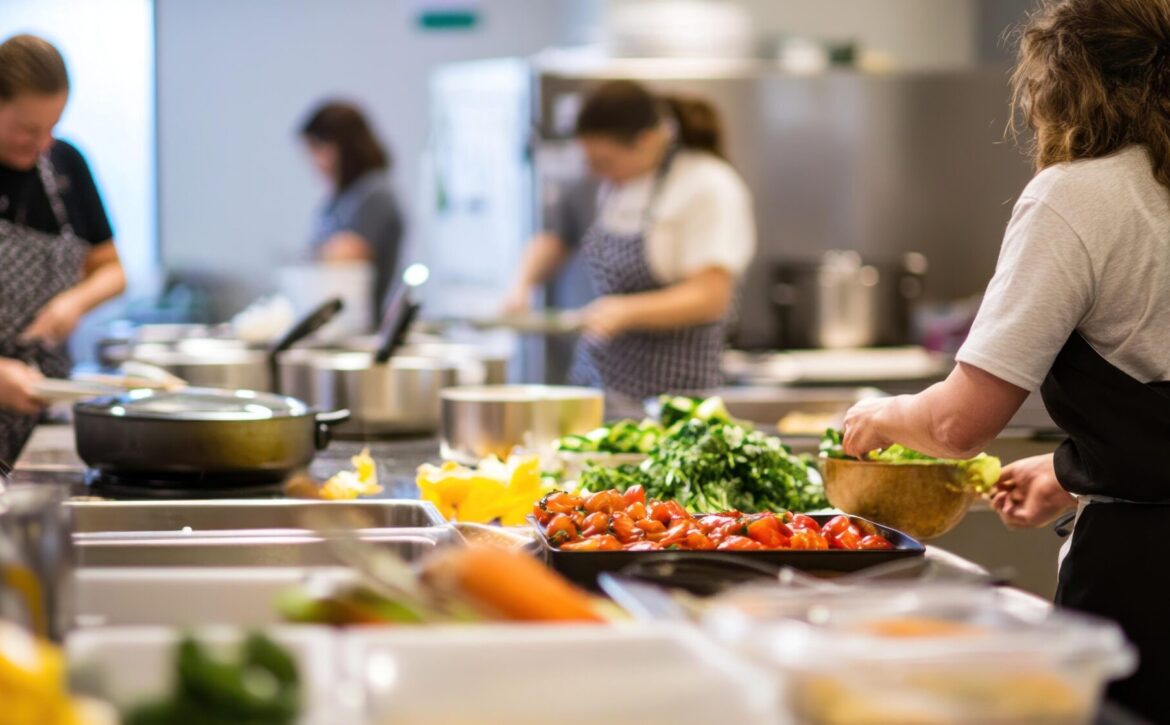
These cooking techniques require a lot of practice to master, and with the help of an expert, you can build your confidence faster. If you are serious about a career in food, then explore culinary classes in Mumbai with Culinary Craft to strengthen your foundation, learn professional kitchen practices and sharpen your skills.