Traditional vs Modern Dim Sum: Techniques Every Cook Should Know
Dim sum has a funny way of making a table feel like a celebration. Little baskets coming down one after another; somebody reaching out for the last dumpling; a lot of debate about whether chilli oil goes on everything. But behind all the fun is a cooking tradition built on patience, precision and technique. Today, chefs are putting a modern spin on classic dim sum, but basic skills still count.
Traditional Dim Sum: Precision Matters
A lot of work goes into making traditional dim sum. The contents must be well seasoned, the wrappers must be of the correct thickness, and the timing of the steaming must be precise.
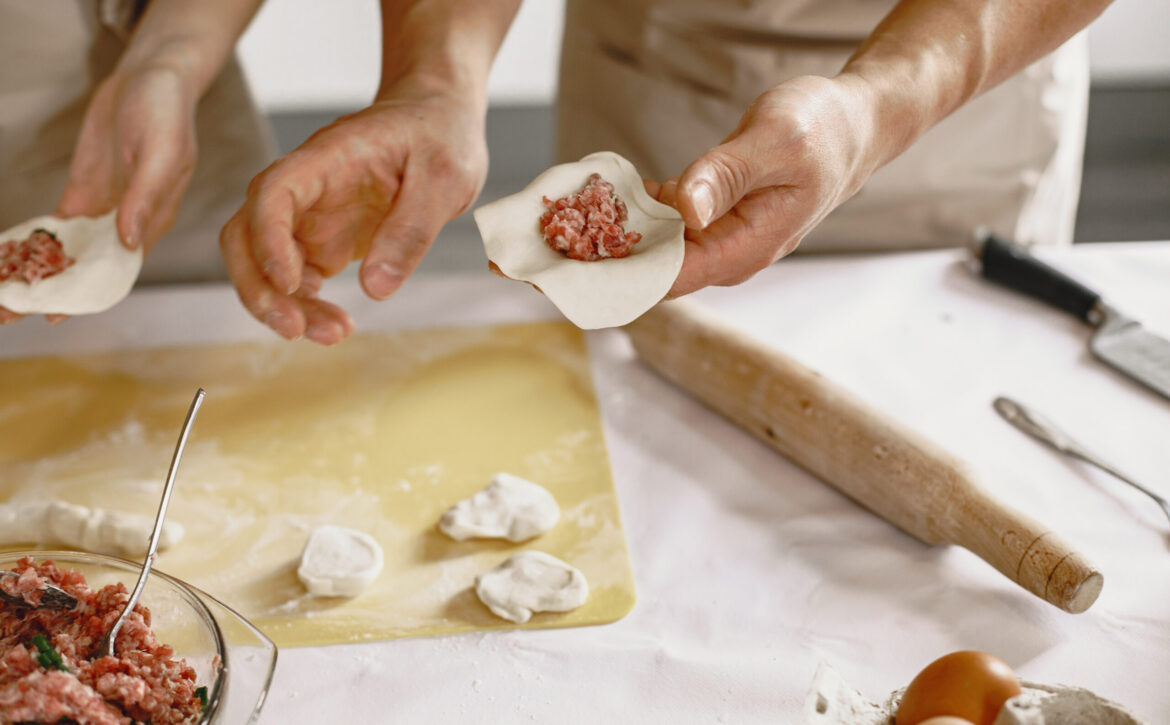
For example, in making steamed dumplings such as har gow, the wrapper should be thin enough to see the filling, yet strong enough to hold the filling without tearing. It takes practice to make that happen. It’s all about the dough, and the filling has to be moist enough but not too wet.
Another skill worth learning is folding. Pleats are not just decoration. A good fold seals the dumpling and traps the filling inside during steaming.
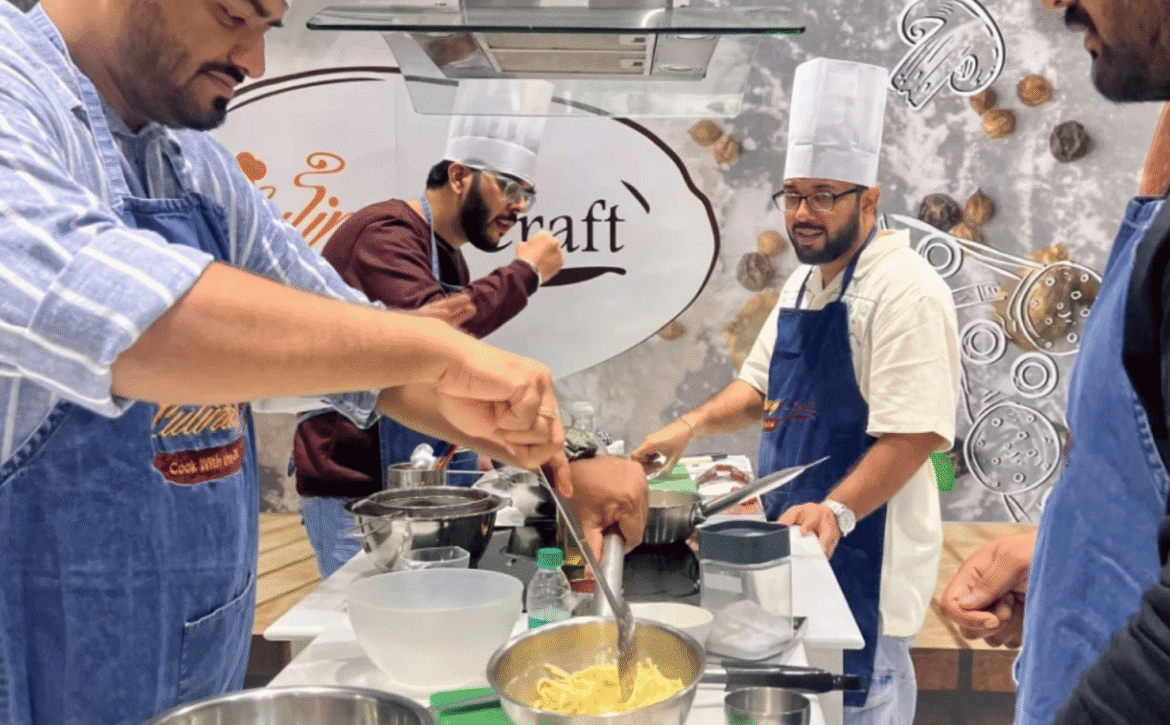
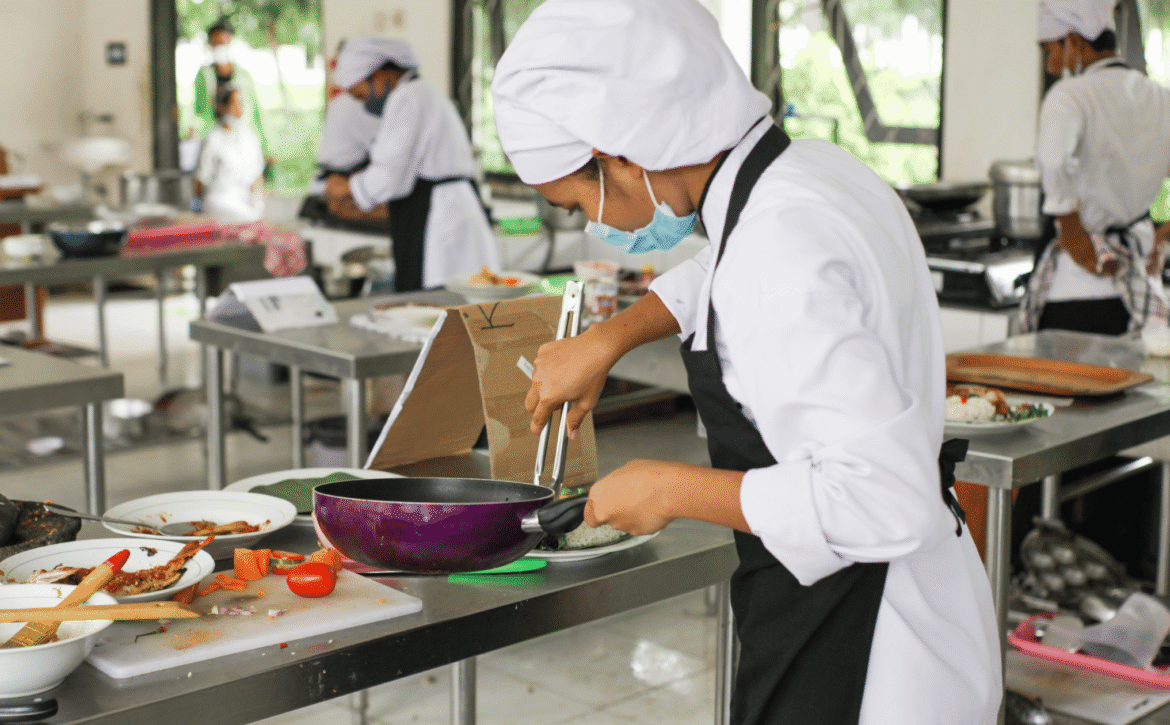
Dim sum cooking classes teach these techniques in a practical way so that cooks can work on dough, fillings, shaping and steaming, rather than just watching someone else do it.
Modern Dim Sum: Creativity Comes First
Today’s dim sums are a canvas for chef creativity. Modern versions may include cheese, mushrooms, spicy sauces or fillings from the surrounding region, formerly filled with pork, shrimp and vegetables.
The presentation can even be changed. Dumplings can be shaped differently, coloured naturally with things like beetroot or spinach, or served with modern sauces.
But creativity is best when the foundation is solid. Whatever the wrapper and whatever the colour, it’s still a soggy dumpling.
That’s why dumpling-making classes can be helpful for both beginners and experienced home cooks. Once you learn the traditional way, it’s easier to experiment with confidence.
Steaming, Folding and Filling: Fundamental Skills for Every Cook
Whether you are a classic dim sum fan or a modern interpreter, three techniques are worth your attention: making a workable dough, creating a balanced filling and controlling the cooking temperature.
Do not overcrowd steaming baskets so that steam can circulate properly to cook the dumplings evenly. Be sure to divide the fillings evenly, too, so they will all cook at roughly the same rate.
Such minute details can often be the difference between a beautifully cooked batch and one that needs a little emergency chilli sauce.
Learn the Art. Make It Your Own.
Good cooking is knowing why a technique works, not just knowing how to do it. A good way to practise those details with guidance is in cooking classes, and dim sum cooking classes can help build confidence with specialised techniques.
Interested in learning how to cook dim sum at home like a pro? With Culinary Craft’s practical culinary skills, you may learn to cook via hands-on supervised learning. You may be surprised at how close you are to making your next flawlessly folded dumpling, whether you stick to tried-and-true methods or get creative.