What You’ll Learn in a Professional Brownies Baking Class
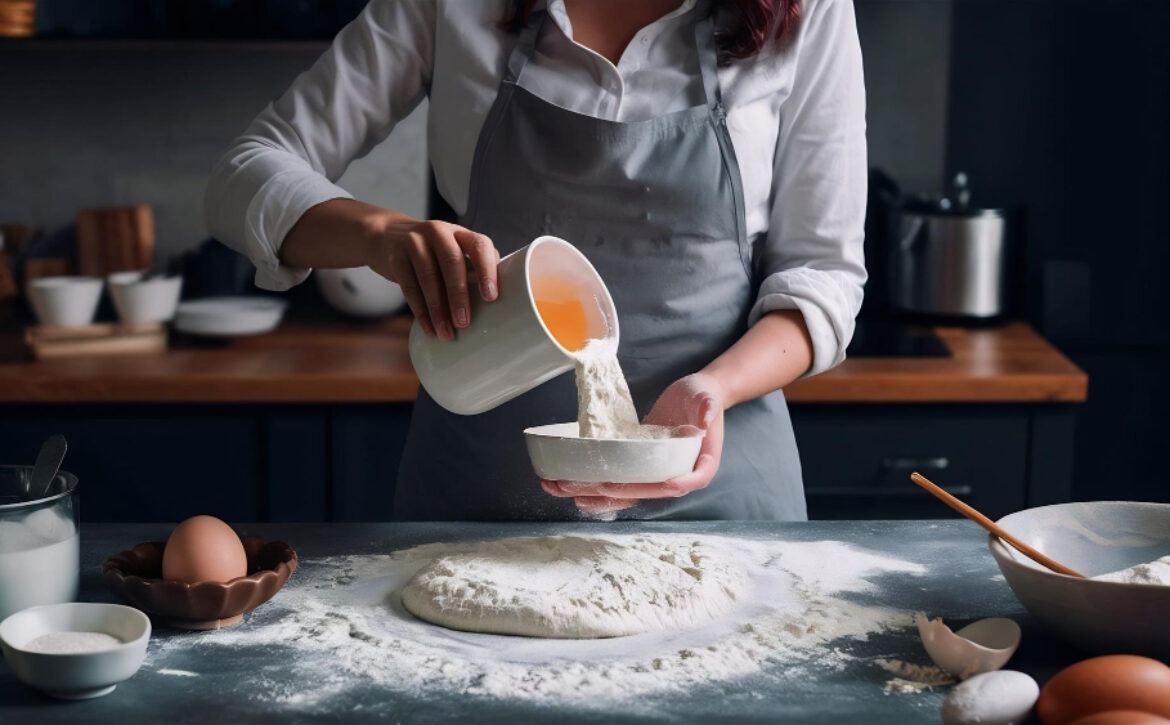
Brownies look simple when you see them sitting on a café counter. You might even think that they are one of the easiest desserts to make at home. But when you go to make them, it becomes a nightmare. They get too cakey at times. In others, they sink in the middle. Home bakers struggle to get that perfect balance of moist centre and crackly top.
This is where a professional brownies baking class makes a difference. At Culinary Craft Powai, students learn through hands-on learning rather than watching from a distance. In this blog, we explore how texture control, flavour balance, oven management, and presentation are taught in a structured way.
The Culinary Craft Approach: Learning in a Real Kitchen Studio
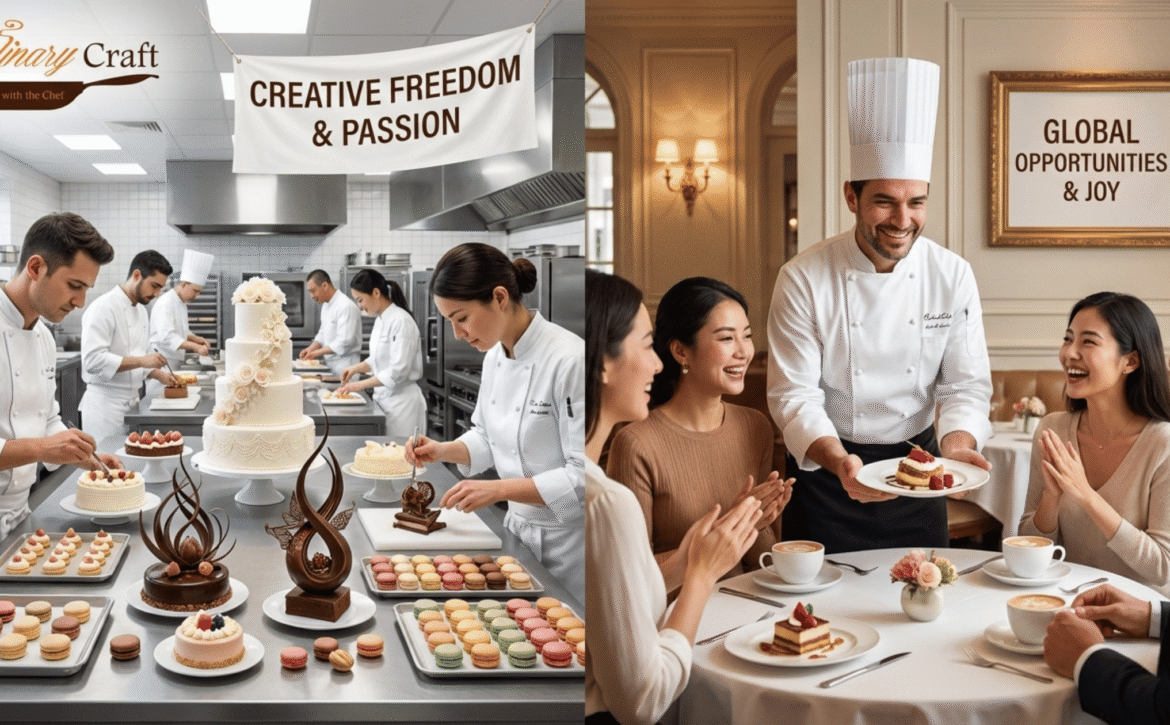
The initial impression you get when you enter the Culinary Craft kitchen studio is that it is a real working kitchen. Everything has its place. The equipment is professional. The layout encourages movement and focus. This is not a setup where you simply stand and observe someone else baking. Students participate fully as part of practical culinary training. Each person works at a proper station with organised tools and measured ingredients. The baking session is organized and grave, but cozy. Since the environment resembles a professional environment, learners start to think like bakers rather than hobbyists, which alters their approach to each step.
Ingredient Selection: Where Great Brownies Begin
Many people assume brownies begin with mixing butter and sugar. In reality, they begin with ingredient decisions. The preference for brownie chocolate affects the aroma and mouthfeel. In Culinary Craft, the instructors show how colour and depth are affected by the quality of cocoa. To learn about the behaviour of melting and richness of couverture chocolate, students compare the chocolate to typical compound choices. The materials that are used in baking are described in a way that can be understood, and the quantity of fresh dairy and sugar is discussed in detail. Students do not go by a recipe and understand the reason behind the use of a specific ingredient. That knowledge alone changes the final texture and flavour dramatically.
Mastering Batter Techniques for Controlled Texture
In class, brownie batter techniques are not rushed. Students work slowly and observe closely while instructors guide them step by step.
- Creaming and melting processes: Students observe the effect of the combination of butter, sugar, and chocolate on density and internal structure.
- Gentle folding: The mixing techniques are carefully followed to avoid overworking gluten and maintain a soft fudgy texture.
- Aeration control: Students learn how to dissolve sugar correctly to form a fine crackly top layer.
- Ingredient sequencing: Some ingredients are introduced at specific points to ensure that balance and consistency are maintained.
- Batter readiness: The shine, thickness, and ribbon flow are used to identify when the batter is ready to be baked.
Oven Mastery: Heat, Timingnew flavours of brownies, and Perfect Bake
A well-made batter can still fail inside the oven. That is why professional baking temperature control becomes essential. Students are introduced to oven calibration tips so they understand how heat can vary between machines. Preheating is demonstrated carefully, along with rack positioning for even exposure. Inside real kitchen ovens, learners observe how edges begin to set before the centre firms up. Consistent baking results depend on knowing exactly when to remove the tray. A slight centre movement and firm outer edges are signs of readiness. Precision in timing protects the moisture that defines a great brownie.
Flavour Balancing: The Art Behind Sweet and Deep Chocolate Notes
Brownies are sweet by nature, yet professionals rarely rely on sugar alone. Baking needs to balance flavour with regard to contrast and depth. Students are shown how to enrich cocoa with a little bit of espresso powder. A pinch of salt will not allow the sweetness and will make chocolate sharper. Other classes provide that broaden the taste beyond simple recipes. Sugar-free desserts are also discussed in some of the workshops in case one would like to have an alternative. Students start to realize that balanced flavour is not heavy or overwhelming but layered and controlled.
Professional Presentation: How Brownies Become Edible Art
Once brownies are baked, presentation becomes the next focus. Culinary Craft highlights brownie presentation techniques that transform simple squares into polished desserts.
- Proper cutting techniques: Using a heated knife prevents dragging and produces smooth clean edges.
- Uniform dimensions: Equal sizing creates consistency, especially for gifting or display.
- Plating artistry: Cocoa dusting and careful sauce placement elevate professional dessert plating.
- Decorative toppings: Nuts, chocolate pieces, and cream elements are arranged thoughtfully.
- Packaging for sale: Wrapping methods and finishing details enhance the overall impression.
Clean Workflow and Kitchen Discipline: Professional Habits Learned Early
Baking in a structured environment changes habits quickly. Students practise kitchen workflow tips that begin with proper preparation before mixing starts. Hygiene in baking is discussed openly, including safe handling and clean surfaces. Tools are arranged methodically so movement stays efficient. Culinary Craft encourages professional kitchen habits such as cleaning during work rather than after completion. These routines reduce mistakes and build quiet confidence. Over time, learners begin trusting their process because it feels organised and controlled.
Who Benefits Most from a Professional Brownies Baking Class?
If you are thinking about who should take baking class sessions like this, the answer is broader than expected. A serious brownie baking experience supports different goals.
- Home bakers who want reliable results.
- Beginners who need technical clarity.
- Aspiring entrepreneurs planning dessert ventures.
- Students preparing for advanced culinary studies.
Culinary Craft offers focused workshops as well as longer learning formats, which makes it suitable for varied ambitions and skill levels.
Real Learning Happens Here: The Result Beyond Brownies
By the end of the session, most students realise they have gained more than a recipe. The outcome of professional baking is based on the knowledge of technique and behaviour within the kitchen.
Practical learning of baking builds confidence and is attained by repetition and correction. The Culinary Craft workshop experience promotes awareness, patience, and considerate performance. Working with professional tools in a real environment sharpens instinct. What begins as a brownie lesson often becomes the starting point for deeper culinary exploration and creative growth.
FAQs
Is any previous baking experience required to enroll in a professional brownie-baking course?
Not at all. A lot of students who pursue a professional course in baking brownies are amateurs who only need to be clear and confident. The lessons are organized in a progressive manner, and this makes learning easy. You are able to keep up and become a better baker even though you have never baked before.
Why is a professional course in brownie baking better than online tutorials?
Recipes can be displayed online, but they cannot correct your mistakes in real time. In a formal classroom, your technique is monitored by the instructors. You will be taught about texture, mixing, and timing, which will assist you in preventing the most frequent mistakes and attaining the same outcomes.
Will I just learn one brownie recipe in the course?
It is not just a single recipe. Students are taught the fundamental methods of texture, flavour balance, and oven control. After learning these basics, you can use them in other variations. This method will allow you the freedom to make more than one brownie recipe.
Will the course be useful if I would like to open a small dessert shop?
Yes, it can be very helpful. Besides baking, you also get to know about presentation, portion control and finishing touches. These play a major role in the sale of desserts. You will be sure when planning to bake professionally or commercially because of consistency and workflow.
What is the value of practical learning in baking?
Practical learning will enable you to touch the batter, see how the oven works, and modify the methods with guidance. This is a personal experience that develops muscle memory and awareness. You can also learn to make more reliable and professional baked goods by learning to guess at home rather than guessing.